Sri Lankan authorities have completed a five-day workshop aimed at developing Standard Operating Procedures (SOPs) for responding to radiological and nuclear emergencies within the country’s territorial waters.
The programme concluded in Colombo on 25 September 2026 and was organised in partnership with the Office of Nuclear Smuggling Detection and Deterrence of the US Department of Energy. It brought together officials from multiple national institutions involved in maritime security, nuclear regulation, customs, emergency management and legal affairs.
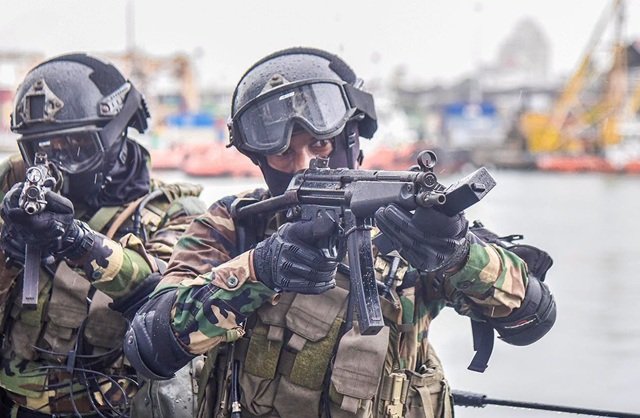
Among the participating organisations were the Sri Lanka Navy’s Chemical, Biological, Radiological, and Nuclear (CBRN) Unit, the Special Boat Squadron and the Sri Lanka Coast Guard. The Sri Lanka Atomic Energy Regulatory Council and Sri Lanka Atomic Energy Board also took part, alongside the Sri Lanka Ports Authority and Sri Lanka Customs.
The Disaster Management Centre, Merchant Shipping Secretariat and Attorney General’s Department were also represented, reflecting the range of agencies involved in preparing for and responding to radiological incidents at sea.
The workshop provided practical guidance on establishing standardised operational procedures for intercepting illicit nuclear material within Sri Lanka’s territorial waters. The sessions were focused on creating common operational guidelines that could be used by the relevant authorities when responding to such incidents.
A central element of the programme was improving coordination between agencies with different responsibilities in maritime and radiological emergency response. The initiative sought to strengthen cooperation among local maritime authorities and improve their operational efficiency during radiological emergencies.
The participation of both operational and regulatory institutions was intended to support a coordinated response. The Navy’s CBRN Unit, Special Boat Squadron and Coast Guard were joined by authorities responsible for nuclear regulation, port operations, customs enforcement, disaster management, merchant shipping and legal matters.
The workshop therefore addressed the procedures and coordination required to respond to incidents involving illicit nuclear material within territorial waters, rather than focusing solely on the responsibilities of any single agency.
The programme was conducted with the Office of Nuclear Smuggling Detection and Deterrence of the US Department of Energy, which partnered with Sri Lankan authorities for the five-day exercise.
The initiative forms part of efforts to establish standardised operational guidelines for maritime authorities dealing with radiological and nuclear emergencies. The stated objectives included strengthening inter-agency coordination and improving operational efficiency in responding to such emergencies within Sri Lanka’s territorial waters.