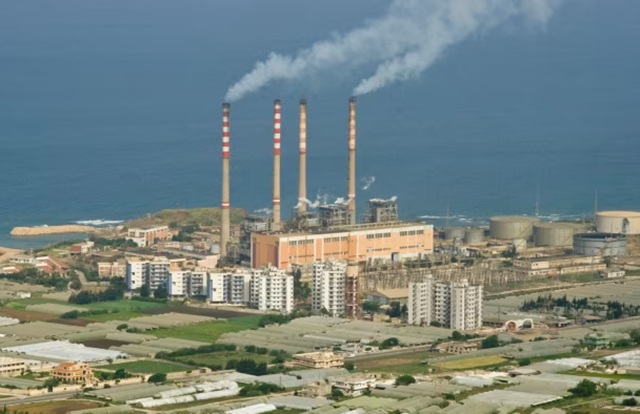
Syria’s largest oil refinery, the Baniyas refinery, has ceased operations after it stopped receiving crude oil from Iran, its primary supplier for nearly a decade. Ibrahim Mousallem, the general manager of the refinery, confirmed to the Financial Times that the facility, which had been processing between 90,000 and 100,000 barrels of crude per day, produced its last batch of petrol on Friday. The refinery, located on Syria’s Mediterranean coast, is now in a state of maintenance, awaiting the arrival of new crude supplies.
According to Mousallem, the cessation of crude deliveries from Iran marks a significant turning point for the Syrian energy sector, as Iran had been supplying about 90 percent of Syria’s oil in recent years. “We are only doing maintenance that takes a short amount of time so that we are ready for when crude oil is made available,” Mousallem stated. However, he added that the situation remained stable due to the presence of fuel reserves in storage.
The shift in Syria’s leadership, following the ousting of former president Bashar al-Assad, has contributed to the refinery’s current predicament. The new interim government, led by figures from the Salvation Government—a rebel faction associated with Hay’at Tahrir al-Sham (HTS)—has expressed hope that international sanctions imposed on Syria will eventually be lifted. This would allow Syria to import oil from non-Iranian sources and, crucially, enable the purchase of much-needed spare parts for the refinery’s equipment.
Mousallem mentioned that the interim government had indicated a plan to secure new oil supplies through both direct imports of crude oil and its derivatives. Petrol stations, he added, had been instructed to utilize their reserves in the interim to maintain fuel availability, although these reserves have now been replenished. Despite these efforts, the energy crisis in Syria is becoming increasingly acute, particularly as the country faces mounting fuel shortages.
The challenge of securing adequate fuel is compounded by Syria’s ongoing electricity crisis, which has led to widespread power outages across the country. The shortage of fuel for power plants has been a primary factor behind the lack of electricity, leaving large parts of the country without reliable power. In Idlib, the stronghold of HTS, however, electricity is sourced from neighboring Turkey, and power lines are already being extended to Aleppo in an attempt to address energy needs in other areas.
Syria’s oil dependency on Iran has been a cornerstone of the country’s energy supply for years. Iran extended significant lines of credit to the Assad regime, allowing Syria to bypass US sanctions on its oil industry. However, with Assad now ousted and a new leadership in place, the interim government faces the daunting task of securing new oil deals to supply the country with the fuel it needs to function, particularly as winter approaches and the demand for heating oil surges.
The Baniyas refinery, which has suffered from years of underinvestment and damage, including from a 2022 earthquake, had already begun smaller maintenance projects in preparation for a planned two-month operational pause. The facility had sometimes been forced to halt operations in the past, with some shutdowns lasting up to two months due to the lack of oil shipments. Mousallem noted that continued pauses in operations risk further damage to the refinery’s equipment, particularly due to the risk of corrosion when machinery is left idle for extended periods.
In addition to addressing immediate fuel shortages, the new government is also focusing on economic recovery, including efforts to increase public sector wages. Mousallem revealed that the interim leadership promised a wage increase of 300 to 400 percent for public employees, who currently earn a meager $25 per month. Many government workers are forced to take second and third jobs or rely on remittances from relatives abroad to survive.
While the interim government’s ability to stabilize Syria’s energy sector remains uncertain, the Baniyas refinery’s closure serves as a stark reminder of the deepening challenges the country faces. The ongoing power struggles between local factions, the pressures of international sanctions, and the uncertainty surrounding Syria’s oil supply all contribute to the precarious situation, leaving millions in Syria grappling with basic necessities as the political landscape continues to shift.