The U.S. technology sector was thrown into turmoil this weekend after President Donald Trump announced a $100,000 application fee for H-1B visas, sending shockwaves across Silicon Valley and beyond. According to Bloomberg, major companies including Microsoft Corp., Alphabet Inc., and Amazon.com Inc. rushed to warn their employees on the visa program against international travel, fearing they could be caught in the chaos created by the sudden policy shift.
The White House clarified on Saturday that the new fee will only apply to new applications in the upcoming lottery cycle and will not affect current visa holders or renewals. A statement on the social platform X added that the proclamation “does not impact the ability of any current visa holder to travel to or from the U.S.” Still, the mixed messages and rapid rollout left companies scrambling to provide guidance. Immigration lawyers said the uncertainty around enforcement has made employers and workers extremely cautious.
Several tech giants issued urgent memos over the weekend. Microsoft acknowledged the anxiety among its foreign staff, telling workers it understood that the developments were “creating uncertainty” and advising them to prioritize safety by staying in the U.S. Amazon went further, extending its warning to H-4 dependent visa holders, who are spouses and family members of H-1B workers. Walmart and Ernst & Young circulated similar guidance, telling employees to avoid international travel until the situation becomes clearer.
The disruptions have already taken a personal toll. A Google employee said they canceled a long-planned trip to Tokyo to visit family, while Lawrence, a 34-year-old engineer from the U.K., postponed his move to California after selling his home and preparing for a new job. Immigration lawyers said they have been inundated with calls from concerned workers, with some warning of “complete chaos” as families and businesses are left uncertain about how to proceed.
The H-1B visa program is a vital pipeline for skilled workers in the U.S., particularly in the tech sector. Government data cited by Bloomberg shows Amazon employs more than 10,000 H-1B workers, followed by Tata Consultancy Services with 5,505, Microsoft with 5,189, Meta with 5,123, and Apple with 4,202. Other top users of the program include Google, Cognizant, JPMorgan Chase, Walmart, and Deloitte. Demand for H-1B visas continues to vastly exceed supply: in 2025, more than 470,000 applications were submitted for just 85,000 available slots.
For many current visa holders, the policy shift has created deep anxiety. Erika L., a finance professional in New York who has lived in the U.S. for nearly a decade, said she feels “lost” and uncertain about the future. “If it doesn’t work out, I may just move to Europe or Asia,” she said. “It’s really hard to suddenly be asked to leave everything I have known for 10 years.”
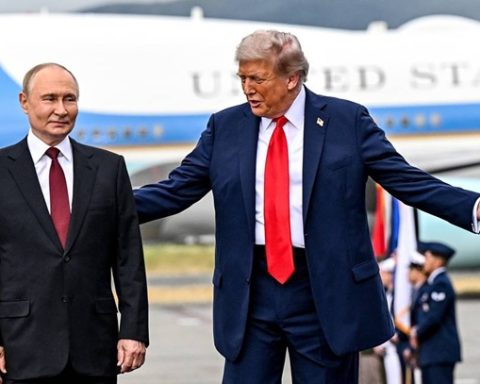
The Trump administration has defended the policy as a way to strengthen the visa system, insisting that companies will willingly pay the higher cost to secure top talent. “Everyone’s going to be happy,” Trump told reporters, brushing aside concerns about corporate backlash. However, many executives worry the $100,000 fee could make the program prohibitively expensive, undermining hiring strategies in industries that rely heavily on international talent. Legal experts expect the policy to face swift challenges in court, but until then, thousands of workers and employers are bracing for a period of uncertainty.