U.S. auto safety regulators have upgraded their investigation of Tesla Inc.’s “Full-Self Driving” (FSD) system to an engineering analysis, following additional crashes that suggest the technology may struggle to handle driving conditions with reduced visibility. The National Highway Traffic Safety Administration (NHTSA) said in a memo posted to its website that the automated system has failed to detect common roadway hazards and alert drivers appropriately when camera performance is impaired, raising serious safety concerns.
The expanded review, which began in 2024, now includes nine crashes linked to FSD, more than doubling the four previously identified incidents. NHTSA noted that Tesla cited company “data and labeling limitations” when attempting to identify other similar cases, potentially leading to under-reporting during certain periods. The engineering analysis could form the basis for a future recall, intensifying scrutiny on the technology that underpins Tesla’s ambitions in autonomous driving and robotaxi services.
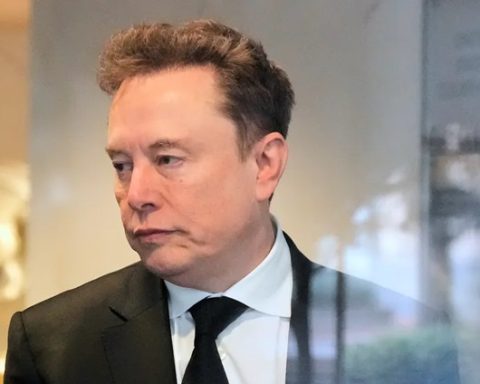
Chief Executive Officer Elon Musk has repeatedly framed Tesla’s success in autonomous vehicles as critical to the company’s overall valuation, stating that the development of such technology will determine whether Tesla is worth “lots of money, or basically zero.” Bloomberg reports that Tesla did not immediately respond to requests for comment regarding the expanded NHTSA probe.
The agency’s findings highlight broader questions about the readiness of partially automated driving systems for public roads and underscore the regulatory and safety challenges facing companies pursuing autonomous vehicle technologies. With the investigation now deepening, Tesla faces increased pressure to demonstrate that FSD can safely operate under a wide range of real-world conditions.