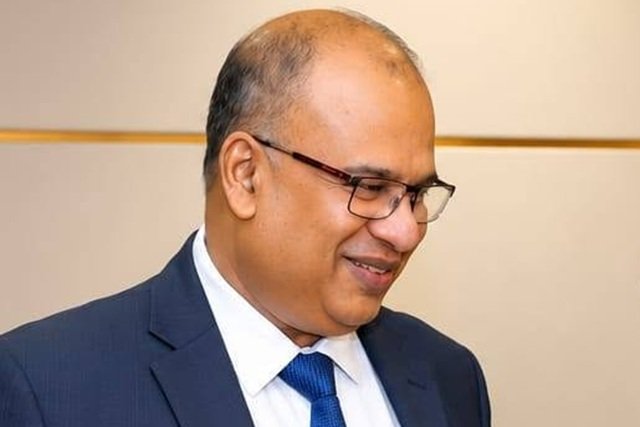
The excessive volume of cases before Sri Lanka’s courts and delays in delivering justice have become a serious national issue, Supreme Court Justice Yasantha Kodagoda has said, calling for greater attention to alternatives to litigation.
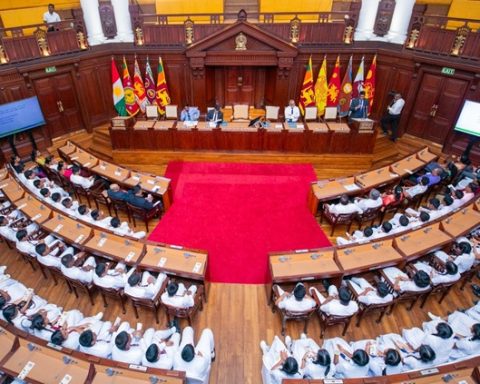
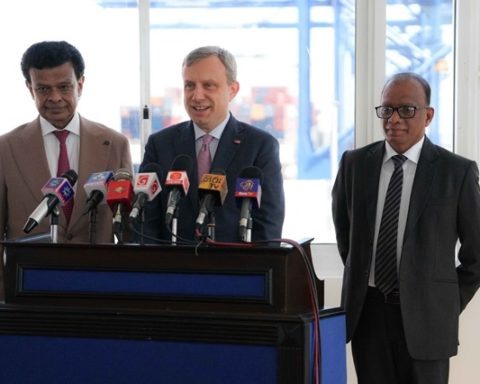
Justice Kodagoda made the remarks while addressing a conference in Colombo, where he said the delays in the administration of justice had attracted the serious attention of both the country’s leadership and the public. His comments place the growing burden on the judicial system within a wider discussion about how disputes are brought before courts and how they might be resolved more efficiently.
According to Justice Kodagoda, long-term examination of the factors contributing to delays indicates that a strong tendency among both legal professionals and members of the public to rely on court proceedings for resolving disputes is a principal reason for the pressure on the judicial system. The widespread preference for litigation, he suggested, has contributed to the accumulation of cases and the resulting delays in their resolution.
He stressed that not every dispute needs to be taken before a court. Instead, greater attention should be given to alternative dispute resolution mechanisms, including negotiation, mediation, conciliation and arbitration. Such approaches, he said, can in many circumstances be more effective and practical than conventional court proceedings.
The argument does not suggest that litigation can be replaced across the board. Justice Kodagoda specifically acknowledged that court proceedings remain essential, particularly in complex commercial disputes and criminal cases. His comments instead point towards a distinction between disputes that require formal judicial determination and those that could potentially be settled through less adversarial and more flexible mechanisms.
Justice Kodagoda further said that 90 per cent of disputes faced by individuals and various institutions could be successfully resolved through alternative mechanisms. If more disputes were settled through such processes, the courts could potentially face less pressure, allowing judicial proceedings to focus more heavily on cases for which formal adjudication is necessary.
The emphasis on alternative dispute resolution also extends beyond the immediate functioning of the courts. Justice Kodagoda highlighted the need to educate a new generation of lawyers through legal education so that they are better informed about methods of resolving disputes outside conventional litigation.
His remarks come against the backdrop of growing concern over the volume of cases and the time required to deliver justice. The issue, he indicated, is no longer confined to the judiciary or the legal profession but has become a matter attracting the attention of national leadership and the wider public.
For Sri Lanka’s justice system, the challenge therefore involves not only dealing with existing cases but also reconsidering how future disputes enter the courts in the first place. Encouraging negotiation, mediation, conciliation and arbitration where appropriate could provide an alternative route for resolving disputes while reducing the pressure created by an overwhelming reliance on litigation.
Justice Kodagoda’s call for greater awareness through legal education suggests that addressing the problem will require changes not only within the courts but also in the way lawyers and the public approach disputes. The objective, as outlined in his remarks, is to ensure that court proceedings remain available where they are essential while making greater use of other mechanisms where they can provide a more effective and practical means of achieving resolution.