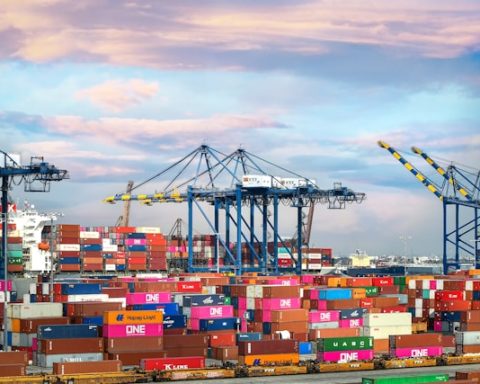
President Donald Trump has proposed imposing sweeping new tariffs on India and China as a means to pressure Russian President Vladimir Putin into negotiating an end to the war in Ukraine — but only if European Union nations agree to implement similar measures, according to people familiar with the discussions, cited by Bloomberg.
The proposal was made during a high-level meeting in Washington this week between senior U.S. and EU officials, in which Trump called in to express his willingness to mirror tariffs imposed by Europe on the two countries. The suggestion, first reported by the Financial Times and confirmed by Bloomberg sources, comes amid growing frustration over Moscow’s refusal to engage in face-to-face talks with Ukraine’s leadership.
The move is a significant escalation in trade policy, given that several EU member states, including Hungary, have previously blocked tougher sanctions targeting Russia’s energy sector. Any collective action would require unanimity among EU nations — a political hurdle that experts say may be difficult to clear.
In addition to tariffs, the meeting explored further sanctions targeting Russia’s shadow oil fleet, as well as restrictions on its banks, financial institutions, and major energy firms, according to the Bloomberg sources. These measures are being considered as pressure tactics in light of intensified Russian military operations, including a recent strike in eastern Ukraine that killed dozens of pensioners.
Trump’s Calculated Risk
While Trump has yet to impose direct punitive actions on Russia despite repeated self-imposed deadlines, he has already doubled tariffs on Indian imports to 50% in response to New Delhi’s continued purchase of Russian crude oil. Bloomberg data shows a sharp increase in India’s crude shipments from Russian ports since the invasion of Ukraine, underscoring the growing challenge for Western sanctions.
In a social media post Tuesday, Trump expressed optimism about ongoing negotiations with India and the possibility of resolving trade disputes with Prime Minister Narendra Modi. “I look forward to speaking with my good friend” Modi in the coming weeks, Trump wrote.
The president’s tariff proposal marks a departure from his recent approach toward China, where he has extended a pause on tariff hikes to early November in a bid to stabilize trade ties and prepare for a potential summit with President Xi Jinping. Analysts warn that escalation with China could disrupt the supply of rare earth materials essential to U.S. industries, while also jeopardizing efforts to arrange a high-level meeting at an upcoming summit in South Korea.
China’s Foreign Ministry has not responded to requests for comment on the new tariff proposal.
EU’s Push for Coordinated Action
The U.S.-EU discussions come as the EU finalizes the details of its 19th sanctions package against Russia, Bloomberg previously reported. Ukraine’s Prime Minister, Yuliya Svyrydenko, who participated in the meetings, urged partners to target Russia’s shadow fleet, oil majors, refineries, traders, and other facilitators.
Although both the U.S. and Europe have already imposed sweeping sanctions on Moscow, Russia continues to circumvent restrictions by sourcing goods from third countries like China and India, while exporting oil and gas to alternative markets. As Russia’s economy shows signs of strain, experts say targeting its key supply chains and revenue streams could significantly pressure its military capabilities.