In a dramatic escalation of political tension, President Donald Trump has signed an executive order directing federal authorities to investigate what he calls a “historic cover-up” of former President Joe Biden’s cognitive decline during his term in office. The order, announced Wednesday evening, alleges that Biden’s aides may have improperly used an autopen—a device that replicates signatures—to conceal the president’s diminished capacity and issue executive actions on his behalf.
While autopens have long been accepted as legitimate tools for executing official documents—a practice upheld by a 2005 Justice Department opinion—Trump’s directive questions whether Biden’s aides misused the device to obscure the true extent of his cognitive state. The order does not define the scope or legal foundation for the investigation but calls the alleged concealment a “dangerous and concerning scandal” in American history.
“In recent months, it has become increasingly apparent that former President Biden’s aides abused the power of Presidential signatures through the use of an autopen to conceal Biden’s cognitive decline,” Trump wrote. “The American public was purposefully shielded from discovering who wielded the executive power, all while Biden’s signature was deployed across thousands of documents to effect radical policy shifts.”
The investigation is expected to scrutinize decisions made during the final year of Biden’s presidency, including a sweeping series of pardons in which 37 of 40 federal death row inmates had their sentences commuted to life imprisonment. Trump’s order casts doubt on whether Biden personally authorized these clemencies or if aides acted in his name.
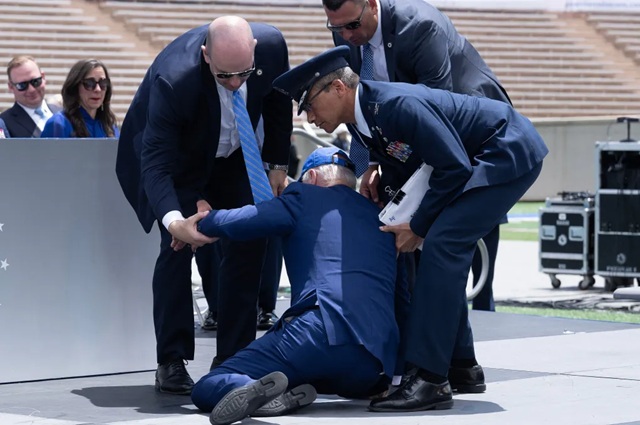
Trump’s move comes amid renewed focus on Biden’s mental acuity, amplified by revelations in the recent book Original Sin by CNN’s Jake Tapper and Axios’ Alex Thompson, which describes efforts within the Biden White House to deflect concerns about the president’s age and sharpness. The scrutiny intensified following Biden’s widely criticized performance in the June 2024 debate, after which he suspended his reelection campaign. He was later diagnosed with metastatic prostate cancer.
Biden has fiercely denied claims that he was unfit to serve while in office.
“Let me be clear: I made the decisions during my presidency,” Biden said in a statement. “I made the decisions about the pardons, executive orders, legislation, and proclamations. Any suggestion that I didn’t is ridiculous and false.”
Still, Republicans have pushed for congressional hearings that could compel testimony from Biden aides—and even former First Lady Jill Biden—on the inner workings of the administration. Trump has expressed reluctance about targeting Jill Biden but acknowledged that many around the former president “understood” his struggles.
The executive order follows a pattern of Trump targeting institutions and figures he views as politically adversarial. In April, he directed Attorney General Pam Bondi to investigate Democratic fundraising platform ActBlue, and earlier this year ordered probes into former CISA director Chris Krebs and ex-Homeland Security official Miles Taylor, both of whom had publicly opposed Trump during his first term.
Though the legality and practical enforcement of Trump’s new order remain unclear, the political implications are already reverberating through Washington. With the 2026 midterms on the horizon and Democrats still reeling from Biden’s post-presidency withdrawal, Trump’s action is likely to deepen partisan divides over transparency, fitness for office, and the legacy of the Biden presidency.
Whether the Justice Department will pursue the matter aggressively remains uncertain. Critics of the order have labeled it a political stunt, while Trump allies insist it’s a long-overdue reckoning.
“This isn’t about politics,” said one senior Trump advisor. “It’s about restoring trust in who really holds the pen in the Oval Office.”