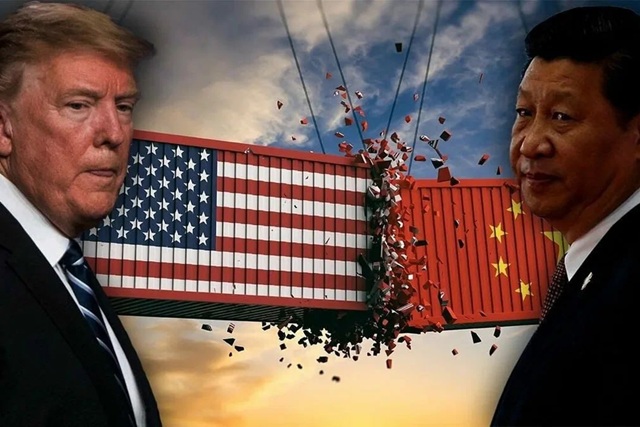
As President Donald Trump’s trade war with China intensifies, a White House official confirmed that tariffs on Chinese imports will escalate to 104% at 12:01 a.m. ET, effective Wednesday. This move follows Trump’s threat to raise existing tariffs on Chinese goods by 50% unless Beijing removes its retaliatory duties on U.S. exports.
The escalating tariff battle is a significant development in an already strained U.S.-China trade relationship, as both nations have struggled to reach a trade deal. Despite the tariffs taking effect, President Trump remains adamant that China “wants to make a deal, badly,” but is unclear about how to begin negotiations.
In an ongoing feud, Tesla CEO Elon Musk has sharply criticized Peter Navarro, Trump’s top trade advisor, over his support for the tariffs. Musk, who has previously voiced opposition to the tariff plan, reportedly personally appealed to Trump over the weekend to reverse the tariff decision. However, according to sources familiar with the matter, Musk’s efforts have been unsuccessful so far.
The impact of the tariffs is already being felt across the global markets. The Dow Jones Industrial Average opened higher following a three-day streak of significant losses, only to see some gains evaporate by midday. Investors and analysts have voiced concerns over the potential damage to both the U.S. and global economies if the tariff war continues to escalate.
Amid the tensions, European Commission President Ursula von der Leyen stated that the European Union is prepared to negotiate with the U.S. over tariffs, although they are also preparing retaliatory measures. This could signal a broader trade conflict involving multiple global powers, further complicating the already fragile international economic landscape.
Republican Senator Thom Tillis expressed skepticism regarding Trump’s tariff strategy during a Senate Finance Committee hearing, questioning its effectiveness and potential political fallout. Tillis, a North Carolina lawmaker, raised concerns about the impact on voters if the tariff strategy fails to deliver tangible results.
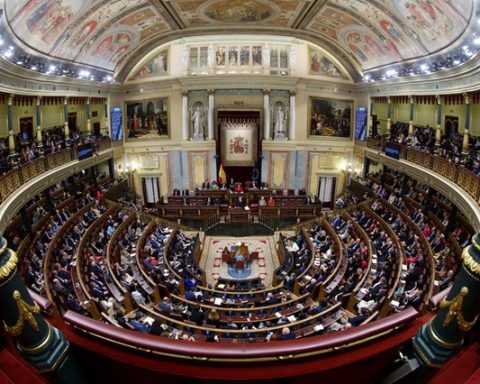
In Washington, a bipartisan group of lawmakers introduced a new bill aimed at curbing Trump’s tariff powers. The Trade Review Act of 2025 would require the president to provide Congress with 48 hours’ notice before imposing or increasing tariffs and would grant Congress the authority to revoke or limit tariffs within 60 days. The bill has been introduced by Republican Reps. Don Bacon and Jeff Hurd, along with Democratic Reps. Josh Gottheimer and Gregory Meeks. However, the Trump administration has vowed to veto the bill if it reaches the president’s desk.