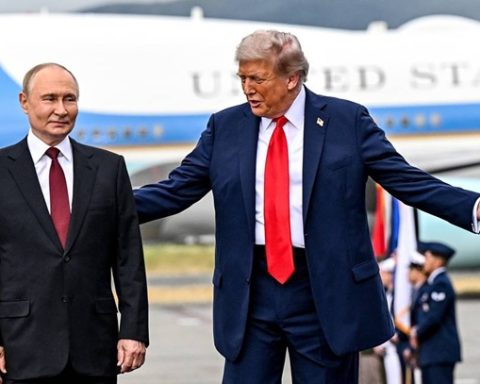
The global economy is facing a severe jolt as President Trump’s administration enacts sweeping tariff hikes, sending shockwaves through major economies including the UK, Europe, and a host of Asian countries. Economists are tearing up their previous growth and inflation projections, with many now warning that the new round of tariffs could tip multiple regions, including Asia, into a full-blown recession.
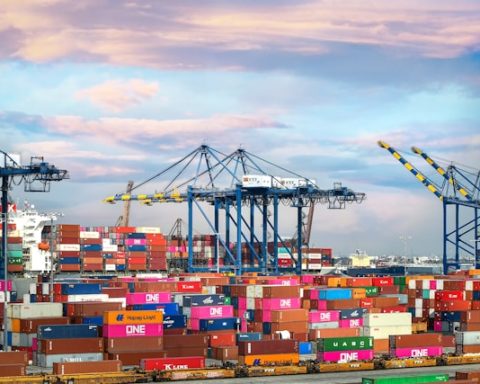
In an unprecedented move, the Trump White House has raised the average US tariff from 2.5% to over 25%, the highest level since the 1920s. This action targets 60 trading partners, including key global players such as China, the European Union, and the United Kingdom, pushing many of these economies to the brink of contraction.
Barclays economists have particularly highlighted the detrimental impact on the UK, where growth is already fragile. The country is now expected to suffer a 1.5 percentage point reduction in its GDP, with a high likelihood of falling into recession this year. Despite the UK dodging the highest tariff rates, the new baseline 10% tariff on all US-bound goods, combined with existing levies on vehicles and steel, is set to further dampen growth and disrupt business confidence across the region.
The situation is even graver for the European Union, where a 20% additional tariff on exports to the US will have a massive 1.9% drag on growth. The European economy, already burdened with sluggish performance, faces a tough road ahead as the fallout from the trade war reverberates across the continent.
Fitch Ratings warned that the wide-ranging tariff hikes, which affect everything from consumer goods to industrial products, will likely push many countries into a recession. “You can throw most forecasts out the door if these tariffs remain in place for an extended period,” said a Fitch analyst, underscoring the uncertainty facing global markets.
Asia, where manufacturing giants like China, Vietnam, and Cambodia are heavily reliant on exports to the US, faces severe consequences. China, in particular, is grappling with a total tariff rate of approximately 70% on its exports to the US, threatening to derail its growth. Economists estimate that the Chinese economy could lose up to 1% of its GDP due to the tariffs, putting additional pressure on the government to roll out significant economic stimulus measures.
As the US economy braces for the knock-on effects of its own protectionist policies, economists are revising their inflation and interest rate forecasts. The latest projections show that US inflation could surge to nearly 4% this year, driven largely by the new tariffs, which will increase the cost of imported goods. This, in turn, will put pressure on consumers and businesses alike, with companies likely to pass on the increased costs to customers.
The US’s economic growth is also expected to take a hit. Growth forecasts have been slashed, with expectations now set at just 1% for the year, down from previous predictions of 2%. This will likely prompt the Federal Reserve to make three interest rate cuts in the coming year, reversing earlier projections that there would be no rate changes until 2026.
The new tariffs have set off a chain reaction of revisions and recalculations, with economists now grappling to understand the full scope of the damage. As the global economy faces unprecedented challenges, the long-term impact of these tariffs remains uncertain, but it is clear that the risk of widespread recession is growing by the day.