Kyiv’s debt tumbles as investors react to Russian stalling and U.S. frustration with peace talks
Ukraine’s bonds plummeted on Monday as hopes for a U.S.-brokered ceasefire dimmed, with investors fearing that Russian delays in negotiations will prolong the war and reduce future economic recovery-linked payments.
Market Reaction to Stalled Ceasefire Talks
Ukraine’s GDP-linked bonds maturing in 2036—which promise extra payouts if the country’s economy grows faster than expected—fell 3 cents to 54 cents on the dollar, a steep drop from nearly 70 cents before the latest U.S.-Russia talks. Meanwhile, older GDP-linked securities also dropped by about 3 cents, trading below 72 cents, levels last seen when Donald Trump won the U.S. presidential election in November.
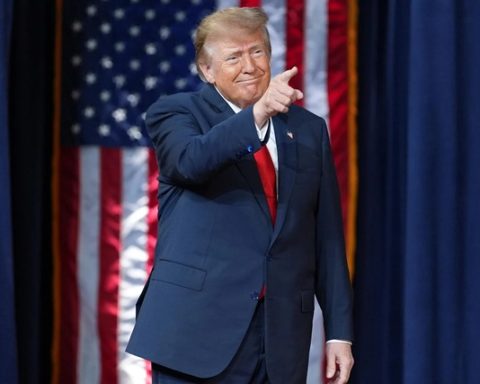
The fall in bond prices reflects Russia’s refusal to agree to U.S. peace proposals. Over the weekend, President Trump expressed frustration, stating he was “very angry” with Russian President Vladimir Putin for adding new conditions to ceasefire negotiations.
Investor Concerns Over U.S. and Russian Strategy
While some investors initially hoped for a quick end to the war under Trump, concerns are now mounting that the U.S. may pressure Kyiv into an unfavorable deal.
“Before this weekend, it felt like Trump might force a deal that was overly pro-Russian, which would hurt Ukraine and its debt recovery,” said Roger Mark, fixed-income analyst at Ninety One.
Hedge funds that bought Ukrainian bonds at higher prices are now being forced to sell due to risk management triggers, further amplifying losses.
“A lot of today’s sell-off was driven by stop-loss orders,” Mark added. “Fast money investors are now deep in the red.”
Geopolitical and Economic Uncertainty Weighs on Bonds
The International Monetary Fund (IMF) added to investor concerns last week by downgrading Ukraine’s economic growth forecast, citing damage to its energy infrastructure from continued Russian missile and drone strikes.
Another factor weighing on markets is U.S. efforts to control Ukraine’s natural resources as repayment for military aid. While such a deal could bolster American support for Kyiv, investors fear that Washington’s terms—such as first claim on Ukrainian state revenues—could weaken bondholder rights.
“If this deal goes through, bondholders would become junior creditors,” warned Maximilian Hess of Aurora Macro Strategies. “It would also make Ukraine an American vassal.”