Health insurance premiums in the United States are set to see their largest rise in 15 years, intensifying concerns that American consumers are already strained by escalating living costs. The sharp increase in rates comes as insurers grapple with market volatility, rising healthcare expenses, and global trade disruptions.
According to reporting by Financial Times, employee health insurance plans are expected to rise by an average of 6.5% in 2026, the steepest jump since 2011, based on a Mercer report. For individual consumers purchasing coverage through government exchanges, the median premium increase is forecast at 18%, more than double last year’s 7% rise, according to data from KFF, a nonprofit health policy organization.
The hikes are occurring against a backdrop of broader inflationary pressures. A July report by the National Federation of Independent Business noted that one-third of companies plan to raise prices, the highest reading in more than a year. Meanwhile, utilities are seeking $29 billion in rate increases, a 142% surge compared to the same period last year.
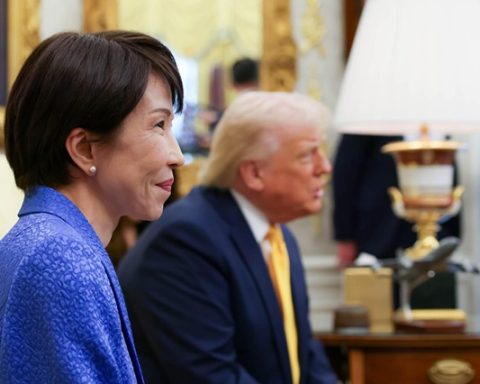
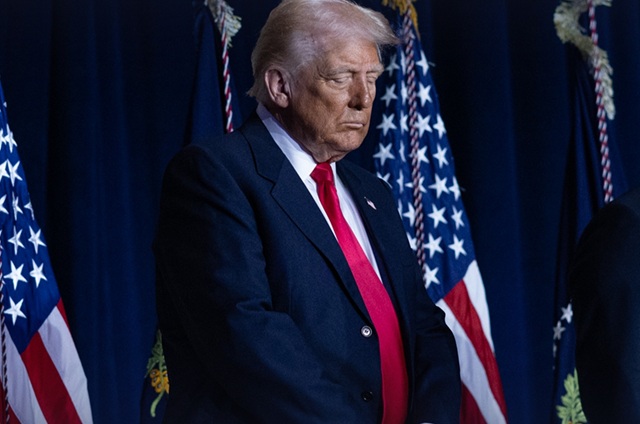
Insurers, including UnitedHealth, have pointed to tariffs imposed during former President Donald Trump’s trade wars as contributing factors behind rising costs. UnitedHealth specifically cited tariffs and efforts to reshore pharmaceutical manufacturing as reasons for premium adjustments in states like Maryland and Oregon, where rates are being increased by 2.4% and 2.7%, respectively. In Ohio, the company is also raising insurance risk margins by 0.5% due to tariff-related uncertainties.
“The consequences of this are consumers have to pay that extra cost,” Matt McGough, a policy analyst at KFF, told Financial Times. “People might not expect tariffs to show up in their healthcare costs, but all signs from insurers is that they are.”
Centene, another major insurer, is under fire for proposing premium hikes of up to 54% in Arkansas—a move that prompted criticism from Governor Sarah Huckabee Sanders. “Arkansans are tired of getting outrageous bills from multi-billion-dollar insurance companies,” she said, urging regulators to reject the increase.
Both UnitedHealth and Centene are among the worst-performing companies in the S&P 500 this year. UnitedHealth’s shares are down 38%, while Centene’s have fallen 52% in 2025. UnitedHealth declined to comment on its tariff-related adjustments and has not listed tariffs as a risk factor in regulatory filings, instead attributing reduced earnings to higher healthcare costs. The company is also under criminal investigation for its Medicare billing practices.
The looming expiration of tax subsidies for insurance purchased through the Affordable Care Act (ACA) at the end of the year has added to insurers’ worries. Approximately 24 million Americans rely on ACA plans, and without renewed support, insurers fear losing healthy policyholders while bearing the cost of care for high-need patients.
As insurers navigate rising operational costs and regulatory challenges, consumers are increasingly feeling the burden. The combination of trade-related uncertainty and a strained healthcare system threatens to exacerbate affordability issues just as inflation and utility costs continue to climb.