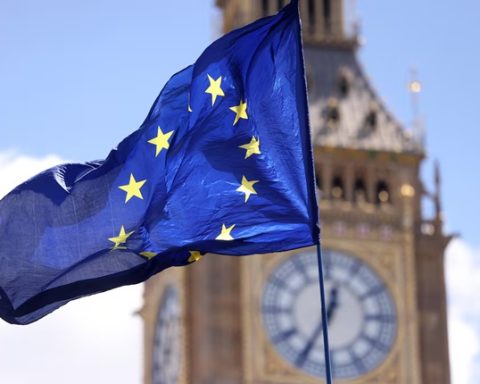
European Commission President Ursula von der Leyen is facing intense scrutiny after reportedly conceding to a one-sided trade deal with the United States, allegedly to avoid a potential cut in American military aid to Ukraine and troop withdrawals from Europe.
According to a Sunday Times report, von der Leyen agreed to a 15% tariff on most EU exports during a recent meeting with U.S. President Donald Trump at his golf resort in Scotland. The deal, which also commits Brussels to invest $600 billion in the U.S. economy and purchase $750 billion worth of American energy over the next three years, has been described by critics as a “surrender.”
Initially, the European Commission had prepared strong countermeasures in response to Trump’s proposed 20% tariffs. However, when Trump escalated the threat to 30%, von der Leyen allegedly backed down. The Times reported that her reversal stemmed from deep concern that the dispute might prompt Washington to reduce military aid to Ukraine or reconsider the presence of approximately 80,000 U.S. troops stationed across Europe.
“The fear was that Trump might use the trade conflict as a pretext to hurt European security,” one EU official was quoted as saying.
The implications of a pending American “posture review” — which may lead to the drawdown of U.S. forces from NATO countries — reportedly weighed heavily on the Commission’s internal deliberations. European leaders, particularly in eastern member states, have grown increasingly anxious over Trump’s vocal criticism of NATO and his unpredictable approach to foreign policy.
Meanwhile, the deal has sparked a backlash within the EU. French President Emmanuel Macron privately criticized the outcome, stating that “the EU is not feared enough.” Hungarian Prime Minister Viktor Orbán went further, mocking von der Leyen by saying Trump “ate her for breakfast” and accusing her of overstepping her mandate by allegedly committing to major U.S. arms purchases without broader consultation.
By contrast, the United Kingdom — now negotiating trade independently after Brexit — secured a 10% tariff on its exports, further fueling discontent in Brussels.
Domestically, von der Leyen’s position appears increasingly fragile. She narrowly survived a confidence vote in the European Parliament last month, amid lingering controversy over her Covid-19 vaccine procurement deals and accusations of centralized, opaque leadership. Her recent push to shift funding from agriculture and regional development toward defense and military projects in the upcoming €1.8 trillion EU budget has deepened internal divisions.
Some members of Parliament now view her current term as her “last chance,” citing eroding support across both conservative and progressive factions.
As Europe grapples with growing geopolitical uncertainty and evolving U.S. policy, von der Leyen’s handling of the trade negotiations may prove pivotal in shaping both her legacy and the EU’s strategic future.