Stressful moments such as job interviews or high-pressure public speaking may do more than just make people uneasy—they can fundamentally interfere with how the brain builds meaning from experience. A study published in Science Advances, and highlighted in reporting referenced by Nature, reveals that acute stress impairs the brain’s ability to link memories together, reducing the capacity for insight even when individuals can still recall information accurately.
The findings help explain a familiar paradox: people often remember facts under pressure but struggle to make connections between them. According to the research team, the issue is not simple memory loss but a breakdown in integration, a cognitive process that allows the brain to combine new and old experiences to generate inferences. Without this process working effectively, reasoning becomes fragmented, and the ability to draw conclusions from prior knowledge is weakened.
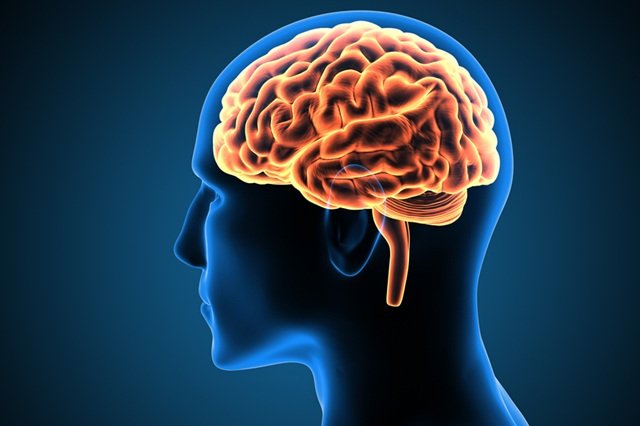
To illustrate, researchers describe how integration normally works in everyday life. If someone remembers a friend wearing a bright green jacket and later sees a similar jacket on a park bench, the brain might connect these memories and infer that the friend is nearby. This kind of inference relies on the hippocampus, a brain region essential for linking experiences across time. It is also, however, particularly sensitive to stress.
That vulnerability became the focus of the study led by cognitive psychologist Lars Schwabe at the University of Hamburg. Working with colleagues, Schwabe set out to examine how acute stress affects the hippocampus and its role in memory integration. The researchers designed a controlled experiment involving 121 participants, testing both behavioural performance and brain activity using functional magnetic resonance imaging (fMRI).
On the first day of the experiment, participants were asked to memorize pairs of images combining animals with either faces or scenes. These associations formed the basis of later inference tasks. On the second day, participants were exposed to a new set of pairings involving the same animals but paired instead with abstract 3D shapes. Later, they were tested on whether they could infer which faces or scenes were linked to each shape by relying on memory relationships formed across both days.
To induce stress, roughly half of the participants underwent a simulated job interview, including pressure to defend their suitability for a hypothetical role and perform difficult mental arithmetic. The control group, by contrast, gave a short speech on a topic of their choice and completed simpler math tasks. The stress manipulation was designed to mimic acute psychological pressure similar to real-world evaluative situations.
The results were striking not because stressed participants forgot the material, but because their brains processed it differently. Using fMRI, the researchers tracked activity in the hippocampus as participants viewed different categories of images. In non-stressed individuals, encountering a 3D shape triggered subtle activation patterns corresponding to previously learned faces and scenes, suggesting that the brain was spontaneously retrieving linked memories and integrating them.
In stressed participants, however, this neural “replay” was significantly reduced. As Schwabe and his team observed, the hippocampus did not show the same level of cross-category activation when participants viewed the shapes. In other words, the brain was less likely to spontaneously connect new inputs with stored experiences. As neuroscientist Brice Kuhl of the University of Oregon, who was not involved in the study, explained, it is as if the “flicker” of past experience that normally appears during new learning was largely missing under stress.
This disruption in neural integration provides a compelling explanation for why insight declines under pressure. The brain may still store individual pieces of information, but the bridges between them become weaker or less accessible. Without those bridges, the mind struggles to generate the kind of inferential leaps that underpin reasoning, problem-solving, and flexible thinking.
Interestingly, the behavioural results did not fully reflect the neural differences. Even though brain imaging showed clear disruptions in integration among stressed participants, their performance on the inference tasks was not significantly worse than that of the control group. The researchers suggest that standard behavioural tests may not be sensitive enough to detect subtle cognitive deficits that are already visible in brain activity.
This discrepancy highlights an important point emphasized in the report, also covered by Nature: stress may impair cognitive processing at a neural level before it becomes obvious in behaviour. In everyday life, this could mean that individuals under pressure are operating with reduced cognitive flexibility even when they appear to function normally on the surface.
The hippocampus’s sensitivity to stress is not new to neuroscience, but this study adds important detail about how that sensitivity translates into functional impairment. Rather than simply weakening memory, acute stress appears to selectively disrupt the brain’s ability to integrate separate memories into a coherent structure.
The implications extend beyond laboratory experiments. Integration deficits of this kind are also seen in conditions such as anxiety disorders and psychosis, where individuals struggle to connect related experiences into meaningful inferences. Understanding how stress triggers similar mechanisms in healthy individuals may offer insights into why high-pressure environments can so profoundly affect reasoning and decision-making.
Schwabe and his team now plan to extend their work using animal models to investigate the underlying biological mechanisms in greater detail. The goal is not only to map how stress alters hippocampal function but also to explore whether these effects can be mitigated or reversed.
For now, the findings underscore a subtle but powerful reality: stress does not just cloud judgment in an obvious way. It can quietly reshape how the brain links the past to the present, weakening the very architecture of insight itself.