Editorial
There is a haunting truth that lurks in the aftermath of political defeat: the immediate impulse for many who have lost is not to introspect, but to wait, watching from the sidelines for a misstep, a crack in the armor of the new rulers. This is the oldest game in politics, one where victory is not earned through innovation or vision, but through the relentless pursuit of an opponent’s downfall. It is a game where defeat is not seen as an opportunity for growth, but as a mere hiatus before the next round of battles. The defeated wait for a false opening—an ethical breach, a policy failure, a scandal—and when it comes, they pounce, hoping to exploit the weakness of their rivals and reclaim what they have lost.
But this mindset is a relic of a past era. It is the politics of survival, not progress. The problem with this cycle is not just its cynicism—it is the fatal stagnation it breeds. If the opposition truly believes that it can rise again by merely waiting for the other side to fail, then it is already doomed to repeat the same old mistakes. It is to miss the deeper lesson of both victory and defeat: that the game itself has changed, and the future is being shaped by new dynamics that render old strategies obsolete.
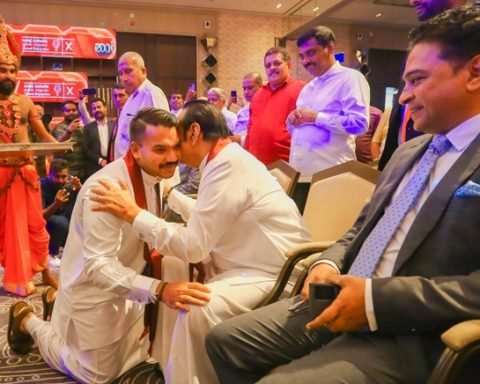
In the context of Sri Lankan politics, the old guard has had its time. Those who are now marginalized—some more than others—cling to the belief that their time is merely delayed, not over. They continue to operate under the illusion that power is a birthright, passed down through families and wealth, sustained through influence and connections. But this notion of political inheritance, this belief in family dynasties and entrenched power structures, is quickly becoming an anachronism. Political power is no longer secured through legacy, nor is it sustained by old alliances that serve only the interests of a few. If the opposition’s strategy is to repeat the same old tricks—waiting for their opponents’ errors, relying on outdated power structures, and appealing to the nostalgia of past victories—they are not only out of touch with the moment, they are blind to the future.
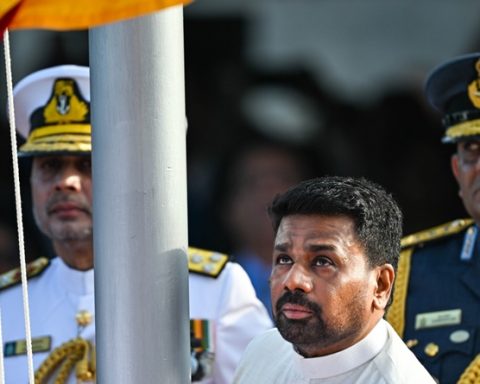
Victory in politics, as in life, is about transformation. And transformation is never comfortable. As President Anura Dissanayake has shown, the political landscape of Sri Lanka is shifting—not because of one individual’s will, but because of the structural forces of the party and its team-driven ethos. Dissanayake’s leadership has highlighted the potential for a unified front, where power is shared, where the personal ego is subordinated to the collective will. But such unity is fragile. Rumors of leadership changes within the JVP, whispers of Dissanayake’s possible resignation, the rise of figures like Bimal Ratnayake and Vijitha Herath—these are not merely internal party maneuvers; they reflect the larger question of how political parties evolve when power is no longer about holding on to what was, but about adapting to what is coming.
The opposition must ask itself: What do we really want? Do they want to win the game by the same rules that brought them down? Do they believe that by merely waiting for the government to stumble, they will somehow be entitled to rise again? Or do they want to create a new kind of politics—one that is not obsessed with the temporary thrill of victory but committed to the deeper, more difficult work of building a political future? The answer to that question will determine whether the opposition can break free from the deadening grip of its past.
What is required is a philosophical shift. Politics must move beyond the false dichotomy of “winning” and “losing”—where power is seen as something to be seized and held. It must embrace a new ethos, where power is a tool, not an end. This shift will require not just the resignation of the old guard, but their complete deconstruction. It requires a radical humility: the understanding that the old methods, the old power structures, the old ways of thinking, have reached their natural expiration date. It is time to retire the political dynasties, the family legacies, and the idea that wealth and influence can carry anyone to the top. Power must be reimagined, reshaped, and redistributed to those who have the vision, the wisdom, and the will to serve, not to dominate.
The opposition must recognize, painfully and unequivocally, that the political system of the future will not be built on the backs of the tired, the entitled, or the corrupt. It will be built on new ideas, on fresh leadership, on the creative energy of those who are not bound by history, but are looking ahead. In the global context, we are already seeing how the age of political elites is waning. In Bangladesh, the grip of foreign powers—particularly the United States—on national governance is undeniable. The question is not whether Sri Lanka will succumb to similar pressures, but how it will navigate these forces. The economy will continue to be a battleground, with external influences vying for control over national resources and policies. The question of sovereignty and the costs of foreign alliances will become increasingly important. The question for Sri Lanka’s future is this: will the opposition understand the reality of this moment and build a politics that is both grounded in national identity and open to the evolving global landscape?
The political party must evolve from being a vehicle of personal ambition to an institution of collective growth. It must stop being the playground for family dynasties, for those who see power as a commodity to be inherited, bought, or bartered. The political party must become a platform for the best and brightest, a place where ideas take precedence over egos. In this context, the party must not only hand over power to the next generation—it must prepare that generation, educate them, and allow them to flourish in a way that transcends the ambitions of the few. This is a new form of political leadership—one that requires vision, discipline, and a willingness to embrace the uncomfortable truth that the past does not hold the keys to the future.
It is time to dismantle the old power structures. It is time to stop playing the same game and start building a new one. The future of Sri Lanka, and indeed of politics itself, depends on whether the opposition can abandon the futile hope of returning to an imagined golden age, and instead focus on creating a political reality that is worthy of the challenges ahead. Victory is no longer about what one can win for oneself; it is about what one can build for others. The old guard must step aside—not out of defeat, but out of a deep understanding that the game is changing, and they are no longer fit to play.