Oil prices have surged by 4.5% to reach a three-month high following new sanctions announced by the U.S. targeting Russian oil tankers and maritime insurance providers. This price rally has been fueled by a combination of geopolitical factors, dwindling U.S. crude stockpiles, cold weather, and uncertainty surrounding the Trump administration’s approach to Iranian crude exports.
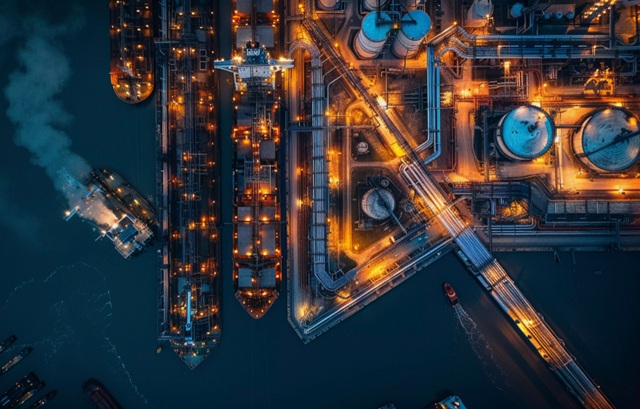
The new sanctions, which specifically target more than 180 Russian oil tankers and the country’s maritime insurance sector, are expected to have a significant impact on global oil supply. These measures were larger than anticipated, sending shockwaves through the market. Indian oil refiners, in particular, are bracing for the consequences, as they have been key buyers of Russian crude, according to sources cited by Reuters.
Ole Hansen, head of commodities strategy at Saxo Bank, noted, “Additional sanctions against the Russian oil and insurance industry have added further fuel to the fire, raising concerns over supply shortages during a period of heightened winter demand.”
The surge in oil prices has also been supported by a decrease in U.S. crude stockpiles, lower seaborne exports from Russia, and cold weather sweeping across Europe and the U.S., which could disrupt oil supply. With rising demand for heating oil, stock draws in distillates in the coming weeks could put further strain on the market, analysts warn.
PVM Oil Associates highlighted that “the cold spell in the U.S. and Europe could disrupt supply if refiners are affected,” exacerbating supply concerns. The organization also pointed to declining crude exports from Iran and Russia, forcing China to seek alternative suppliers.
The uncertainty surrounding the Trump administration’s potential actions to curtail Iranian crude exports has also added to the bullish market sentiment. As sanctions on both Russian and Iranian oil exports continue to make sourcing more difficult, Asian buyers have turned to alternative grades from the Middle East. The ongoing sanctions against these key oil producers have made it more challenging for refiners to secure stable crude supplies.
Commodity strategists Warren Patterson and Ewa Manthey from ING noted that the cold weather across parts of the Northern Hemisphere is likely to boost oil demand further. Moreover, with liquefied natural gas (LNG) in Asia trading at a premium to oil, the risk of substitution between the two fuels has increased.
This price spike also follows a significant decision by a major Chinese port operator to ban the docking of sanctioned Russian and Iranian tankers, further tightening global oil supply chains.