Tanzania has confirmed an outbreak of the deadly Marburg virus in the northwest Kagera region, President Samia Suluhu Hassan announced during a press conference in Dodoma on Monday. The announcement was made in the presence of World Health Organization (WHO) Director-General Tedros Adhanom Ghebreyesus.
The outbreak was verified after tests conducted at the Kabaile Mobile Laboratory, with results later confirmed in Dar es Salaam. “Fortunately, the remaining suspected patients tested negative,” President Hassan said, adding that health authorities are closely monitoring the situation.
The WHO had first raised concerns about a potential outbreak on January 14, reporting nine suspected cases and eight deaths in Kagera over five days. However, Tanzanian Health Minister Jenista Mhagama initially denied these claims, stating no cases had been confirmed at the time.
President Hassan clarified on January 20 that 25 suspected cases had been reported, but all tested negative for the virus. Those individuals remain under observation as a precaution.
In response to the outbreak, the Tanzanian government has intensified its containment measures, dispatching a rapid response team to Kagera to monitor cases, trace contacts, and implement public health interventions.
WHO Director-General Tedros emphasized the organization’s commitment to assisting Tanzania in controlling the outbreak. “The WHO, working with its partners, is committed to supporting the government of Tanzania to bring the outbreak under control as soon as possible, and to build a healthier, safer, fairer future for all the people of Tanzania,” he said.
This marks the second outbreak of Marburg virus disease in Kagera. The region experienced an outbreak in 2023, which resulted in nine confirmed cases and six fatalities.
Marburg virus disease, a highly infectious and often fatal illness, was first identified in 1967 after simultaneous outbreaks in Germany and Serbia. Symptoms resemble those of Ebola and include fever, nausea, vomiting, sore throat, severe abdominal pain, and, in advanced cases, fatal hemorrhaging.
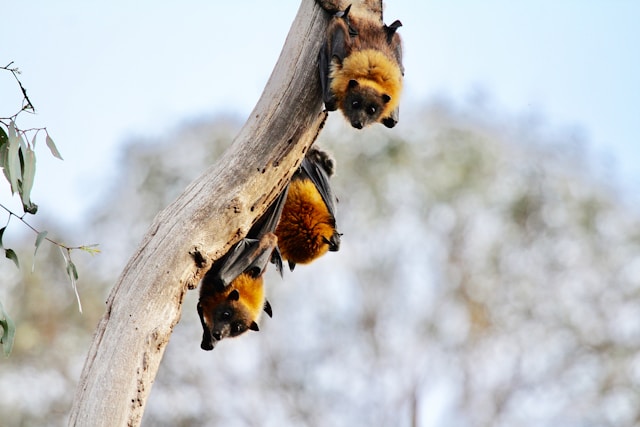
The virus is transmitted through direct contact with infected bodily fluids, contaminated surfaces, or materials. Fruit bats, which serve as natural hosts of the virus, are believed to play a key role in its transmission to humans.
To limit the spread of the virus, the WHO recommends isolating suspected cases and minimizing human-to-human contact. Tourists, researchers, and locals are advised to avoid prolonged exposure to areas with large fruit bat populations.
Africa has experienced several outbreaks of Marburg virus disease in recent years. In 2023, Equatorial Guinea reported cases, while Ghana experienced an outbreak in 2022. Uganda also recorded three fatalities linked to the virus in 2017.