Nearly 1,500 workers at Samsung’s massive plant in Chennai have overcome fierce opposition from both the courts and the corrupt state government, both of which aligned with the multinational giant in an effort to block union recognition. After a grueling 212-day legal battle, the workers launched a 38-day strike in September 2024, facing vicious repression, hundreds of arrests, and underhanded tactics from the company. Despite this, the workers’ determination eventually led to a historic victory with the Tamil Nadu Labour Department formally registering the Samsung India Workers’ Union (SIWU) on January 27, 2025. This marks the first such union in India and only the second worldwide, following the National Samsung Electronic Union (NSEU) in Korea. The Tamil Nadu government, which has consistently supported corporate interests, threw all its weight behind Samsung’s attempts to crush the workers, but their collective strength forced a significant concession.
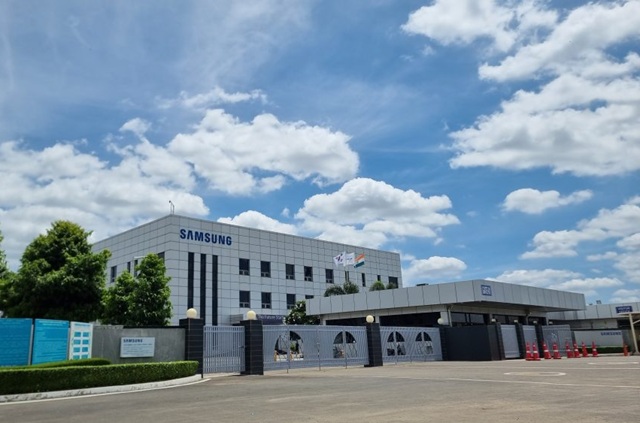
The recognition of SIWU is a major milestone, especially considering Samsung’s notorious anti-union stance. It represents a rare victory against the corporation, whose factory in Kancheepuram, Chennai, produces products such as televisions, refrigerators, and washing machines, contributing nearly a third of Samsung’s Indian revenue. Workers have long endured unsafe conditions, excessive unpaid overtime, and humiliating treatment. They’ve been forced to surrender duties to visit the toilet, and any complaints led to cruel punishments, such as confinement in dark rooms or public shaming. These methods of exploitation and pressure were designed to extract maximum profit while stifling dissent, but eventually, the workers decided they had had enough.
In July 2024, the workers formally began their campaign to form a union, complying with India’s Trade Unions Act, but despite meeting all legal criteria, their request was ignored by the state and the company. This marked the beginning of a long struggle that would expose the failure of legal and constitutional mechanisms to protect workers’ rights. In September, the workers turned to the Centre for Indian Trade Unions (CITU), launching a strike and garnering widespread attention both nationally and internationally. Their demands were clear: union recognition, a wage increase, an eight-hour workday, and an end to unpaid overtime. Solidarity from workers across India and even from Samsung employees in Korea bolstered their resolve. They also sought legal intervention, urging the Madras High Court to press the Tamil Nadu Labour Department to act. The Labour Department, however, delayed the process at every turn.
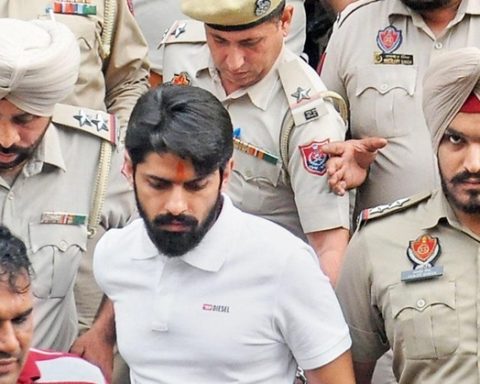
Faced with mounting resistance, Samsung resorted to a combination of intimidation and deceit. They arrested 910 workers, including CITU leaders, and used the police to threaten strikers with death or imprisonment. Even local tea vendors who supported the workers were pressured to stop providing services. When these tactics failed, Samsung offered minimal concessions—such as improved shuttle services and hints of wage increases—and even claimed a deal had been reached, announcing the end of the strike without workers’ consent. But the workers stood firm, suspending their strike only when the court demanded a timeline for union recognition.
The victory came on January 27, when SIWU was officially recognized by the Labour Department. E. Muthukumar, a CITU leader and now SIWU president, celebrated the historic achievement, drawing parallels with the founding of the Madras Labour Union in 1918. Despite this hard-won success, workers remain cautious. While the recognition marks a significant step forward, the battle is far from over. As the union enters negotiations with Samsung for better wages and conditions, there is a growing concern that the company will attempt to retaliate. Workers have already reported threats of transfers from Samsung, despite assurances from state ministers that there would be no punitive measures. The company’s refusal to publicly acknowledge SIWU only reinforces the need for continued vigilance.