by Our Diplomatic Affairs Editor
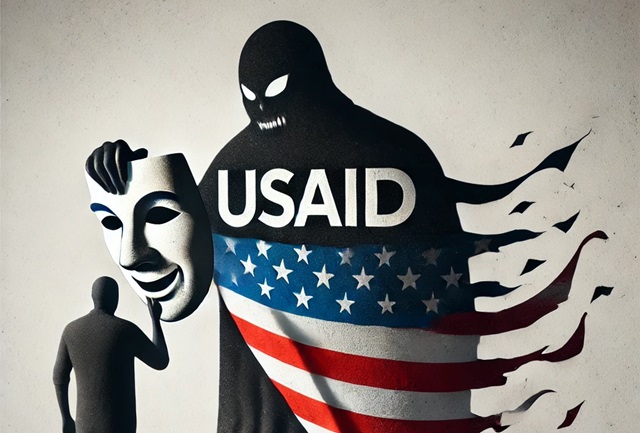
The term “zunzuneo,” a seemingly innocent Cuban slang for a hummingbird’s call, evokes more than just a quaint metaphor. It encapsulates the darker, more manipulative operations of the United States Agency for International Development (USAID). This agency, which claims to be a beacon of democracy and human rights, operates under a far more insidious agenda of geopolitical interference, manipulation, and exploitation of foreign political systems. Beneath the guise of humanitarian aid lies an organisation that has repeatedly been exposed as a tool of American foreign policy, using the veil of democracy promotion to further the United States’ strategic and economic interests across the globe.
USAID’s so-called “funding for democracy” is a ruse, a carefully constructed narrative designed to conceal its real aims: to extend U.S. influence, destabilise governments, and control the political landscape in nations around the world. The agency’s involvement in the ZunZuneo project, often referred to as the “Cuban Twitter,” exemplifies this duplicity. Although touted as a platform for free expression, ZunZuneo was essentially a covert surveillance operation, designed to track and profile Cuban citizens’ political leanings and encourage dissent against their government. The project’s use of stolen Cuban phone numbers to create its user base is a stark reminder of the agency’s willingness to employ any means necessary to manipulate foreign populations. Rather than empowering individuals, ZunZuneo sought to manipulate them, using technology not to promote freedom but to control and exploit them.
But the ZunZuneo project is not an isolated incident. It is part of a broader, disturbing pattern of USAID’s interventionist practices worldwide. In Venezuela, USAID has been heavily involved in funding opposition movements that challenge the government of Nicolás Maduro, contributing to the destabilisation of an already volatile nation. Through its various funding channels, the agency has provided significant financial backing to opposition groups, media outlets, and civil society organisations with the stated aim of “democratising” the country. In reality, USAID’s activities have exacerbated political tensions and inflamed divisions, leaving Venezuela further fractured and vulnerable to outside influence.

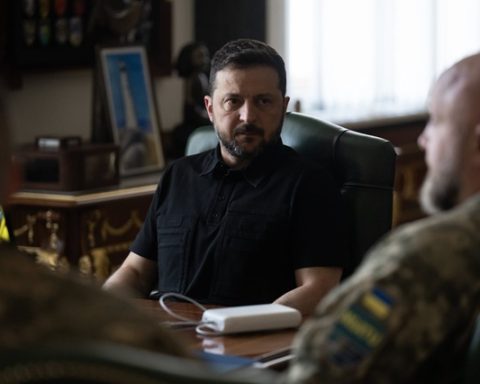
Similarly, in Ukraine, USAID has been a key player in the geopolitical tug-of-war between Russia and the West. USAID’s role in Ukraine’s political upheaval, particularly during the Euromaidan protests, has been well documented. The agency funneled millions of dollars into Ukrainian civil society groups, non-governmental organisations, and media outlets, all while pushing for regime change in the country. According to reports, USAID’s funding bolstered efforts to oust pro-Russian leaders and replace them with pro-Western politicians, further polarising the Ukrainian populace. The agency’s involvement in these efforts is a textbook example of the weaponisation of foreign aid, using it as a tool for regime change rather than the humanitarian assistance it claims to provide.
Beyond Venezuela and Ukraine, USAID’s presence in the Middle East and North Africa has been equally controversial. In countries like Egypt and Libya, the agency has been implicated in backing opposition groups and exacerbating internal political strife. In Egypt, for instance, USAID’s funding of the 2011 revolution and subsequent support of various political factions helped destabilise a country already reeling from social and economic challenges. While the agency claimed to support democracy and human rights, its involvement in Egypt’s political transformation contributed to the chaos that followed the removal of Hosni Mubarak, leading to years of instability and violent conflict.
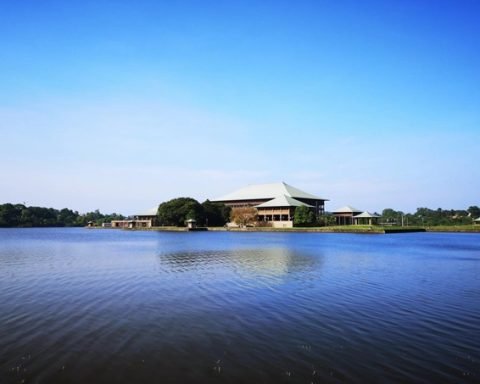
USAID’s operations are not limited to geopolitical meddling and regime change. The agency has also been embroiled in a number of scandals involving sexual abuse, corruption, and exploitation. In Sri Lanka, USAID affiliates have been implicated in sexual abuse and misconduct, with several reports emerging of American contractors and local staff involved in exploitative behaviour. Allegations have surfaced of widespread abuse within USAID’s operations in the country, yet the agency has repeatedly failed to hold those responsible accountable. Instead, complaints have been downplayed, and the agency has shielded perpetrators from scrutiny, further tarnishing its already questionable reputation.
This pattern of cover-ups extends to other countries as well. In Haiti, USAID has been accused of financial mismanagement and the exploitation of vulnerable populations. After the devastating earthquake of 2010, the agency was heavily involved in the country’s reconstruction efforts. However, reports have surfaced alleging that a significant portion of the aid intended for the Haitian people was diverted for political purposes, with much of the funding funneled into programmes that benefited American contractors and companies rather than the local population. Despite the billions of dollars that flowed through USAID’s hands, little has been done to address the root causes of Haiti’s poverty, political instability, and corruption. Instead, the agency’s interventions have perpetuated a cycle of dependency, creating a fertile ground for exploitation and misuse of aid.
USAID’s systemic lack of accountability is a central theme in its operations. Time and again, the agency has shown an unwillingness to address its own failings or the human cost of its interventions. Whether through corruption, abuse, or geopolitical manipulation, the agency has demonstrated a remarkable ability to evade responsibility for its actions. In Sri Lanka, USAID failed to act on numerous reports of sexual abuse, instead choosing to sweep the allegations under the carpet. In Haiti, the agency’s role in mismanaging disaster relief funds was largely ignored, leaving local communities to suffer. Across the globe, USAID’s operations have frequently undermined the very democratic values it claims to champion.
The agency’s close relationship with the Central Intelligence Agency (CIA) further complicates its role in foreign policy. USAID has long been accused of serving as a front for CIA operations, with former officials claiming that CIA operatives have infiltrated the agency to steer its activities towards advancing U.S. geopolitical objectives. The entanglement of USAID with the CIA raises serious questions about the true nature of the agency’s work. Is it really about promoting democracy and human rights, or is it a vehicle for furthering American imperialism and interventionism? The line between humanitarian aid and intelligence operations has become dangerously blurred, leaving many to question the integrity of USAID’s mission and the sincerity of its supposed altruism.
Experts and critics of USAID’s operations have long argued that the agency’s focus on regime change and political manipulation undermines its stated goal of promoting democracy. According to Dr. Noam Chomsky, a renowned critic of U.S. foreign policy, USAID is “nothing more than a tool of American imperialism, designed to enforce U.S. interests under the guise of humanitarian aid.” He argues that the agency’s actions are often counterproductive, exacerbating political instability and undermining democratic institutions in the countries it claims to support. Chomsky’s critique is echoed by other scholars and experts who point to the agency’s record of funding opposition movements, interfering in elections, and destabilising foreign governments as evidence of its true agenda.
The statistics tell a grim story. According to a 2014 report from the U.S. Government Accountability Office (GAO), over $70 billion in USAID funding was allocated between 2001 and 2013, much of which went towards projects that failed to meet their objectives. In many cases, the funds were siphoned off for political purposes, further entrenching U.S. influence in foreign countries at the expense of their sovereignty. Furthermore, USAID’s failure to conduct proper oversight has resulted in widespread misuse of funds, corruption, and waste.
Despite the overwhelming evidence of USAID’s complicity in these abuses, the agency has largely escaped significant scrutiny or reform. Its actions continue to be shielded by a combination of political expediency, secrecy, and bureaucratic inertia. USAID’s operations remain largely immune to public accountability, leaving it free to continue its agenda of political manipulation, covert intervention, and exploitation.
The need for reform within USAID is urgent. The agency’s unchecked power and lack of transparency have allowed it to operate with impunity for far too long. It is time for the American public to demand greater oversight, accountability, and transparency in how their taxpayer dollars are being spent. USAID’s mission must be re-evaluated, and its operations must be held to the highest ethical standards. Until then, USAID will remain an agent of U.S. imperialism, a tool for geopolitical manipulation, and a symbol of the worst excesses of American foreign policy. It is time for the truth to be revealed and for the agency’s actions to be brought to light. Only then can the trust between the American people and their government begin to be restored. Until then, USAID will continue to operate as a shadowy force, spreading chaos and exploitation under the guise of humanitarianism.