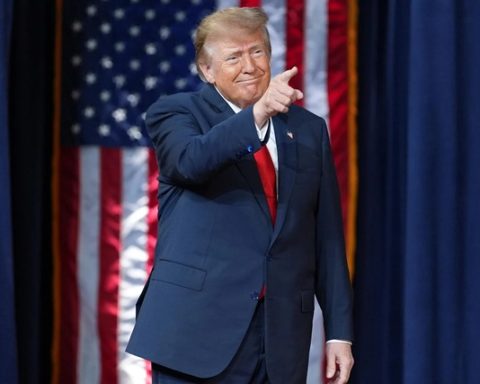
As NATO defense ministers gather in Brussels to discuss the future of the Ukraine conflict, the recent phone call between President Donald Trump and Russian President Vladimir Putin has sparked significant controversy. The conversation, which lasted for approximately 90 minutes, set the stage for potential peace talks between Russia and Ukraine. However, the discussions have raised alarm in Europe and beyond, with many questioning whether the United States is undermining Ukraine’s sovereignty and security in its pursuit of a negotiated peace.
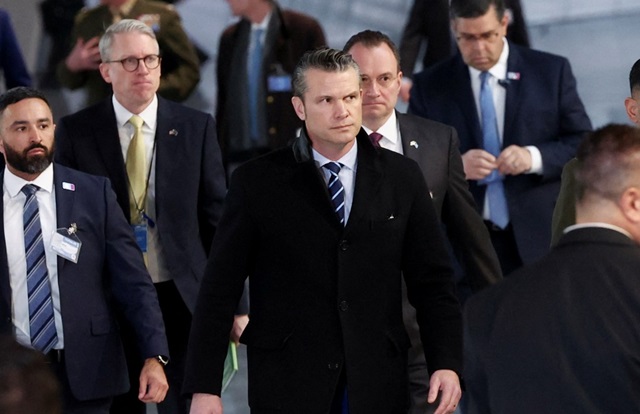
In response to criticism, Pete Hegseth, the U.S. defense secretary, defended the talks, asserting that they were “certainly not a betrayal” of Ukraine. Speaking ahead of the NATO summit, Hegseth emphasized the broader goal of achieving peace and halting the violence that has ravaged Ukraine for nearly a year. He stated, “There is no betrayal here,” adding that the talks were a recognition that both the U.S. and the global community are invested in reaching a negotiated peace. According to Hegseth, this would require both sides—Russia and Ukraine—to make difficult compromises, including addressing issues neither party desires.
Despite Hegseth’s defense, many European diplomats remain deeply concerned about the impact of Trump’s phone call with Putin. Senior diplomats have expressed fears that the Trump administration may have given away too much, too soon, in the negotiations. One diplomat, speaking to The Times, argued that Trump’s stance essentially “threw Ukraine under the bus,” especially given the U.S. administration’s apparent willingness to rule out Ukraine’s NATO membership and to accept territorial concessions. The diplomat also raised concerns that this could weaken Ukraine’s bargaining position, with Russia continuing to pursue its “imperial ambitions” without offering any meaningful concessions in return.
The criticism of the Trump administration’s handling of the situation was echoed by German Defense Minister Boris Pistorius. Pistorius called it “regrettable” that the U.S. had made concessions to Russia before any formal peace talks had even begun. He emphasized that, even if peace were achieved, Russia would remain a threat to Europe’s security. “It would be naive to believe that this threat, even after any peace agreement, would in fact subside,” Pistorius warned, calling on NATO to invest more rapidly in defense and security capabilities. He stressed that “peace, as history has shown, can only be secured from a position of strength.”
While the debate over the implications of the Trump-Putin talks continues, NATO Secretary-General Jens Stoltenberg has voiced concern over the alliance’s ability to keep pace with Russia’s growing military spending. In his remarks, Stoltenberg called on NATO members to ramp up defense production, recognizing that the alliance’s defense capabilities must be bolstered to deter any future aggression from Russia. He pointed out that NATO countries, including the U.S., the UK, and Turkey, possess strong defense industries, but they are not producing enough to maintain a competitive edge over Russia.
In the wake of these tensions, Ukrainian President Volodymyr Zelensky has expressed concerns that Russia might gain the upper hand in the peace talks. John Healey, the UK defense secretary, reiterated that any peace negotiations must center on Ukraine’s needs and decisions. Healey stressed that Ukraine should not only be involved in the discussions but must have the ultimate say in when and how peace talks proceed. “There can be no negotiation about Ukraine without Ukraine,” Healey declared. He also made it clear that NATO would continue to support Ukraine, ensuring the country remains in the “strongest possible position” as negotiations unfold.
Meanwhile, Chinese officials have expressed support for the strengthening of communication between the U.S. and Russia. Guo Jiakun, a spokesperson for China’s Foreign Ministry, welcomed the dialogue between the two major powers, noting that China is “happy” to see them engage on various international issues. This gesture has been viewed with some skepticism in Washington and Europe, where concerns persist about Beijing’s growing ties with Russia. Some have questioned whether China’s involvement could be a positive development or whether it might complicate the peace process, given the deepening alliance between President Putin and Chinese President Xi Jinping.
As NATO’s defense ministers continue their discussions, the future of Ukraine hangs in the balance. The key question remains whether a peace agreement will secure Ukraine’s sovereignty and territorial integrity, or whether the country will be forced to make significant concessions under pressure from larger global powers. The outcome of the NATO summit, along with the ongoing dialogue between the U.S. and Russia, will likely shape the course of the war in Ukraine and its future relationship with the West. For now, the international community waits to see if peace can be achieved without sacrificing Ukraine’s independence or security.