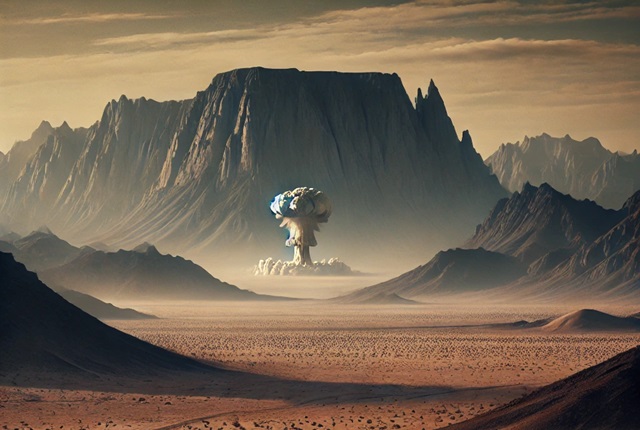
The first French nuclear tests occurred in Algeria between 1960 and 1965, with the initial test taking place on February 13, 1960, at Reggane in southwest Algeria. At the time, Algeria was still a French colony embroiled in a war for independence. In total, 14 nuclear tests were conducted at two Algerian sites—four atmospheric and 10 underground.
The French government has not released any documents regarding these nuclear tests. Without official records detailing the involvement of the military, Algerians, or the radiation levels and contamination, much speculation surrounds these subjects. One widely cited figure comes from Greenpeace, which reported the following:
“The first underground test, on 1 May 1962, code-named Beryl, was to test the prototype of the AN 11 bomb for the Mirage IVA aircraft. Despite adverse winds and the advice of the Commission of Nuclear Safety, the explosion proceeded because two VIPs, including one from the Ministry of the Armed Forces, were present. Twelve soldiers were contaminated when radioactive vapour escaped through a fissure in the rock; nine of them received more than 100 rem of radiation.”
According to Reuters, radioactive material continues to seep from the Sahara desert mountains where these tests were carried out, contaminating the soil and damaging relations between France and Algeria. In its race to develop nuclear capabilities during the Cold War, France selected a barren, then-colonial spot to conduct the explosions, before Algeria gained independence and halted the tests.
Decades later, local populations report severe environmental and health issues. These individuals are now calling for an apology and compensation from France, but their demands have been ignored. The issue remains a point of tension between the two nations. Algeria remains frustrated by France’s lack of a broader apology for its colonial crimes, which has contributed to further strains in relations, such as France’s failure to support Algeria’s fight against Al-Qaeda militants.
Hussein Dakhal, a resident of a nearby village, is now 83. He vividly remembers the May 1, 1962, “Beryl” test, which caused radioactive material to escape. He recalls, “I heard the explosion, and since then, life has changed for us… unknown diseases and health problems began to emerge.”
After a seven-year war that claimed 1.5 million lives, Algeria won independence in 1962. However, a treaty signed by French President Charles de Gaulle allowed testing to continue until 1966. According to Algerian sources, radiation levels in areas near the test sites are 20 times higher than the norm. “Do not stay more than 10 minutes. It could be dangerous,” one scientist at In Ekker warned visitors.
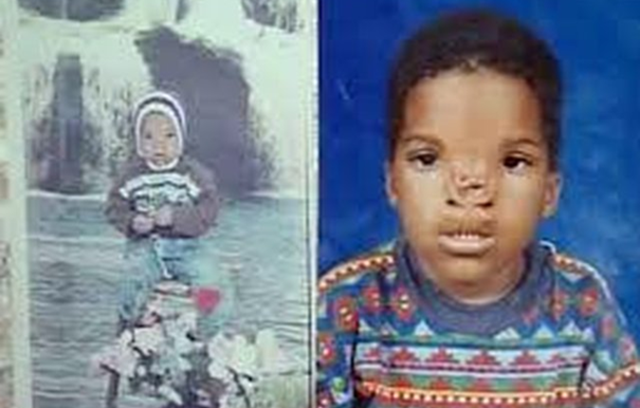
Algerian officials claim that France has refused to provide access to archives regarding the tests, leaving them in the dark about the full extent of the radiation risks. Roland Desbordes, head of an independent French nuclear watchdog, stated, “The region has been irradiated. We need information about where irradiated material has been buried. This is why it is vital to obtain archives from France.”
Interestingly, some of those exposed to the blasts were not Algerians. A French newspaper recently reported, citing confidential documents, that France intentionally exposed its soldiers to the explosions to study the effects on humans.
The decision to carry out these tests in the Touat Region of southwestern Algeria was no accident. The historical significance of the site, tied to the actions of Sidi Mohamed Ben Abdel Krim Al Maghili, a 15th-century warrior, is noted in a 2007 article by Dr. Abdul Kadhim Al Aboudi, a professor of nuclear physics at Oran University. In the article, Dr. Al Aboudi argued that the “Blue Jerboa Nuclear Operation” was a revenge plot orchestrated by the Israelis and executed by the French, based on past historical grievances involving the “Jewish cleanup” by Al Maghili.
Despite these grave acts, the resilient people of the Touat area have relied on daily prayers and blessings for the Prophet Muhammad (PBUH) as a form of spiritual protection, which has, according to them, mitigated some of the harmful effects of radiation.