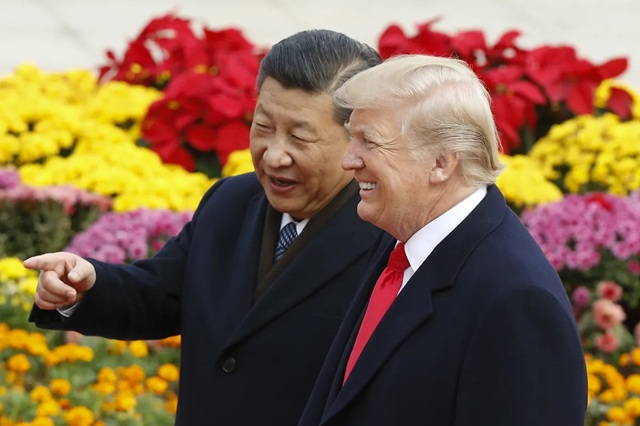
Four years after a fiery diplomatic showdown between the U.S. and China in Alaska, Donald Trump’s return to the White House is reshaping the global order in ways that are unexpectedly favorable to Beijing.
Back in March 2021, U.S. Secretary of State Antony Blinken and Chinese diplomat Yang Jiechi clashed in Anchorage over issues ranging from Taiwan to human rights, with Blinken championing a “rules-based order” and Yang countering that the U.S. doesn’t speak for the world. The heated exchange symbolized the deep ideological divide between Washington and Beijing.
But as Bloomberg reports, that once-stark contrast is fading. Trump’s foreign policy doctrine—built on economic coercion, transactional diplomacy, and “peace through strength”—is more aligned with China’s power-driven worldview than any U.S. presidency since World War II.
Trump has already imposed sweeping tariffs on Chinese imports, with more likely to follow. But unlike in his first term, where he sought to bend China to his will with aggressive trade demands, he’s now signaling an openness to deal-making. He wants China to approve the sale of TikTok and push Russia toward a Ukraine settlement, but it’s unclear how far he’ll press on traditional red-line issues like Taiwan.
Meanwhile, Chinese President Xi Jinping is taking a measured approach. Unlike leaders in Canada and Europe who are scrambling to accommodate Trump’s trade threats, Xi has reportedly rebuffed U.S. requests for a phone call. His focus remains on strengthening China’s economy, expanding its manufacturing dominance, and reducing reliance on the West.
With Trump rejecting global alliances and dismissing international law in favor of raw power politics, China sees an opportunity. His rhetoric—whether threatening allies with tariffs or calling Ukrainian President Volodymyr Zelensky a “dictator”—reinforces a world order where major powers set their own rules.
Xi’s long-term strategy remains clear: build a self-sufficient China that no U.S. president can strong-arm. Trump’s policies, despite their short-term economic pain, may ultimately help him achieve just that.