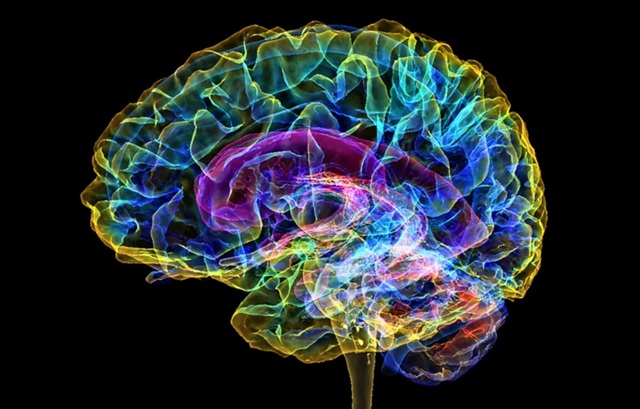
Researchers at University College London (UCL) have uncovered how specific neurons in the brainstem influence the decision to persist, explore new options, or disengage from a task. The study, published in Nature, sheds light on the brain mechanisms that control behavioral strategies in mice and could have implications for understanding neuropsychiatric conditions in humans.
The scientists identified three types of neurons in the median raphe nucleus, a part of the brainstem, that play distinct roles in decision-making. By using genetic engineering techniques, they modified these neurons—responsible for releasing GABA, glutamate, and serotonin—so they could be switched on or off with light. This approach allowed them to observe how each type influenced behavior in a controlled experiment.
Mice in the study displayed three main behaviors: persistence with a task, active exploration, or disengagement. When GABA-releasing neurons were suppressed, the mice stuck with their tasks for longer and switched between options less frequently. In contrast, activating glutamate-releasing neurons caused the mice to rapidly explore multiple options. Suppressing serotonin-releasing neurons led to disengagement, suggesting a link between these neurons and motivation.
The findings could have implications for mental health research. According to co-author Sonja Hofer, a systems neuroscientist at UCL, similar mechanisms may be at play in conditions such as obsessive-compulsive disorder (OCD), depression, and attention deficit hyperactivity disorder (ADHD). For example, excessive persistence with repetitive actions is common in OCD, while a lack of motivation is a hallmark of major depressive disorder. Disruptions in exploratory behavior are often seen in ADHD. “It could be that changes in the firing rate of specific median raphe cell types contribute to certain aspects of these conditions,” Hofer explains.
The study also found that a midbrain region called the lateral habenula played a role in suppressing serotonergic neurons, which contributed to disengagement from tasks. This could be significant, as dysfunction of the lateral habenula is strongly linked to depressive symptoms, says behavioral neuroscientist Mark Walton from the University of Oxford.
While these results provide valuable insights into how behavioral choices are controlled, questions remain about how different neurotransmitters interact over time. The median raphe nucleus does not function in isolation, as it receives input from the prefrontal cortex—a region involved in weighing costs and benefits. Further research will be needed to explore how other brain regions and neurotransmitters, such as dopamine and noradrenaline, influence long-term decision-making and motivation.