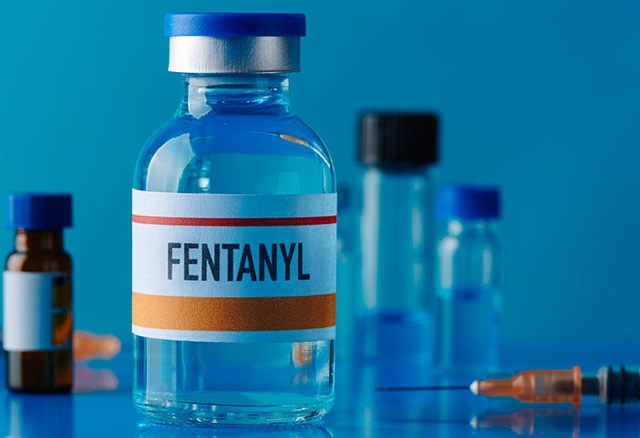
A recent study analyzing eight years of data has revealed a dramatic increase in fentanyl poisoning among children in the United States. The research, published in The American Journal of Drug and Alcohol Abuse, examined nonfatal fentanyl exposure cases reported to U.S. poison centers between 2015 and 2023, uncovering a sharp and troubling upward trend.
According to the findings, over 3,000 nonfatal fentanyl poisoning cases were reported during the study period, with more than one-third classified as accidental. The number of recorded exposures rose from 69 cases in 2015 to a staggering 893 cases in 2023—an alarming 1,194 percent increase.
Fentanyl, a synthetic opioid originally developed for severe pain management, is up to 100 times more potent than morphine. Even a minuscule dose—just two milligrams—can be fatal. The study found that the severity of fentanyl poisoning cases has significantly worsened over time. In 2015, 15.9 percent of incidents were classified as life-threatening, whereas in 2023, that figure rose to 44.6 percent.
The research also highlighted a clear distinction in exposure patterns based on age. Among children aged 0–12, 81.7 percent of fentanyl exposures were unintentional, often due to accidental ingestion. In contrast, 65.7 percent of cases among teenagers aged 13–19 were linked to intentional nonmedical use. Overall, the majority of cases (58.9 percent) involved adolescents aged 13–19, while 41.1 percent affected children aged 0–12.
Dr. Joseph Palamar, the study’s lead author from NYU Grossman School of Medicine, emphasized the urgent need for increased prevention, treatment, and harm reduction efforts to protect children during the ongoing opioid crisis. He stressed the importance of parental awareness, particularly regarding the risk of counterfeit pills laced with fentanyl.
“Parents need to be aware that teens can purchase pills via apps that are sold as Adderall or Xanax but actually contain fentanyl,” Palamar warned in a statement. “Parents and others, too, need to be careful to not leave fentanyl, whether licit or illicit, out in the open around unsupervised children.”
Medical experts highlight the dangers of fentanyl due to its rapid onset and extreme potency. Dr. David Deyhimy, medical director at Mymatclinic, explained that fentanyl quickly crosses the blood-brain barrier, binding to opioid receptors and causing sedation, respiratory depression, and, in severe cases, death.
Accidental exposure among young children remains a significant concern. Children may mistake fentanyl-laced pills for candy or medication, and even second-hand exposure from fentanyl paraphernalia can be lethal. Used fentanyl patches, if left within reach, pose another serious risk.
Parents and caregivers should be vigilant for signs of opioid overdose, which include unconsciousness, shallow or absent breathing, pinpoint pupils, blue lips or fingertips, pale or clammy skin, slow heart rate, or low blood pressure.
Dr. Joshua Black, Senior Scientist at Rocky Mountain Poison & Drug Safety, emphasized the importance of naloxone, a life-saving medication that can reverse opioid overdoses. “Bystanders are present in about 40 percent of illicit opioid-related deaths, so it is essential for bystanders to be able to respond,” he stated.
The study authors acknowledged that their research has limitations, primarily due to the lack of comprehensive data collection on nonfatal fentanyl poisonings. Many cases go unreported, as not all individuals exposed to fentanyl contact poison control centers. This gap underscores the need for improved surveillance and reporting mechanisms to better understand and combat the crisis.