In a severe cybersecurity breach with potentially life-threatening consequences, Iranian hackers have leaked highly sensitive data exposing the identities and home addresses of thousands of Israeli gun owners. The attack, widely believed to be orchestrated by Iranian intelligence-linked hacking group Handala, has ignited serious concerns over personal safety, government security failures, and the vulnerability of Israel’s digital infrastructure.
The cyberattack resulted in the unauthorized publication of tens of thousands of documents, including classified information from Israeli security agencies, firearm licensing authorities, and private security firms. The leaked database, which includes records from as recently as early 2025, contains detailed personal records of licensed gun owners, armed security personnel, and even blueprints of weapon storage rooms within public institutions. The exposure of such data has sparked widespread fears that Israeli citizens in possession of firearms may now be vulnerable to targeted attacks, home invasions, or criminal exploitation.
Haaretz, working alongside the U.S.-based cybersecurity firm databreach.com, reviewed the leaked files and confirmed their authenticity. The compromised records include full names, home addresses, photographs, military and medical histories, firearm specifications, ammunition inventory, and whether weapons are stored at home. Particularly disturbing is the revelation that uniformed police officers’ identification cards, security personnel evaluations, and shooting range certifications were also part of the leak, potentially putting these individuals at risk of identity theft or targeted violence.
The Israeli police and the National Security Ministry have categorically denied that the breach originated from their internal systems. In an official response, authorities insisted that “no hack of a police or ministry system took place,” instead attributing the incident to an attack on private security firms. Despite these assurances, the government’s response has done little to ease public outrage, particularly among affected gun owners who were blindsided by the exposure of their private information. “I’m in shock that no one contacted me – this is really dangerous. This puts a target on our backs,” said one gun owner whose details were exposed in the leak. Many others have echoed similar fears, demanding urgent action to prevent the information from spreading further online.
This breach is just the latest in a series of aggressive cyberattacks against Israeli institutions, which have escalated since the start of the war in Gaza. Handala and other Iranian-backed hacking groups have previously leaked sensitive data from Israeli government agencies, security offices, and even personal documents belonging to high-ranking officials. Cybersecurity analysts believe these attacks are part of a broader strategy aimed at undermining public trust in Israel’s digital defenses and national security capabilities.
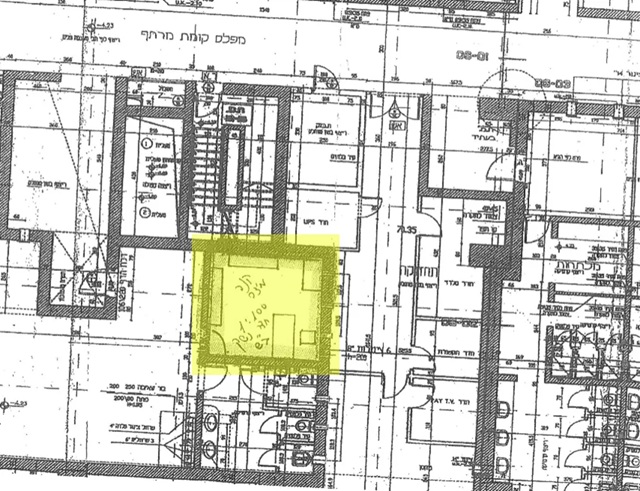
While the hackers initially claimed to have breached the National Security Ministry’s systems in December 2024, they waited until February 2025 to release the stolen data. The dataset, though smaller than the four terabytes initially threatened, still contains an alarming amount of classified material. Experts warn that despite efforts by Israeli authorities to remove the data from public platforms, much of it has already been uploaded to decentralized leak sites, making complete removal nearly impossible.
The Israeli Cyber Directorate, which is responsible for containing the damage caused by such breaches, has acknowledged the seriousness of the situation. Officials have confirmed that steps are being taken to minimize exposure and prevent further dissemination of the stolen material. However, critics argue that the government’s response has been largely reactive rather than preventive, failing to anticipate and neutralize cyber intrusions before they occur. Many cybersecurity specialists say Israel’s failure to prevent this leak demonstrates a critical weakness in its ability to safeguard classified information from increasingly sophisticated cyber warfare operations.
This breach underscores the growing cyber threats Israel faces, particularly from adversaries like Iran that use hacking groups to conduct espionage and psychological warfare. As Haaretz and databreach.com uncovered in their joint investigation, the exposed database not only endangers thousands of gun owners but also raises fundamental concerns about Israel’s ability to protect critical national data in an era of relentless cyber conflict.