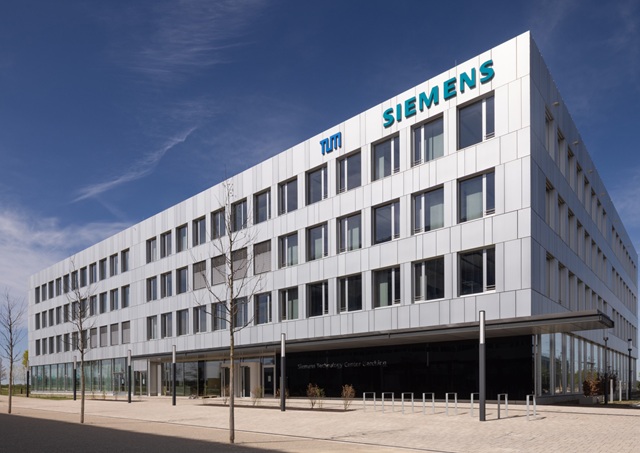
Siemens, one of Germany’s largest industrial companies, has announced plans to cut over 6,000 jobs worldwide as part of a major restructuring effort. The layoffs, which are set to affect employees in multiple sectors, will include 2,850 workers in Germany alone, primarily within the automation business and the production of electric vehicle (EV) chargers.
This move comes at a time when Germany is grappling with a deepening production crisis, triggered by a combination of rising energy costs, supply chain disruptions, and declining demand for certain products. The country’s industrial sector has been particularly hard-hit, with key industries like automotive and manufacturing facing growing challenges.
The announcement follows a report from German media, which revealed that Audi, another major player in the German automotive sector, plans to cut 7,500 jobs by 2029. These mass layoffs are part of a broader trend across Germany, where major companies are reducing their workforce in response to economic pressures.
In light of the layoffs, unions in Germany have ramped up their efforts to demand better job security for workers. Strikes have been organized in various sectors, as employees voice concerns about the future of their industries amidst the growing economic uncertainty. Workers are calling for stronger protections against job cuts and for policies that address the root causes of the ongoing crisis, including energy price hikes and disruptions to global supply chains.
The decision by Siemens to scale back its workforce highlights the broader struggles facing German industry, as it navigates an increasingly volatile economic landscape. With key sectors under strain, both workers and companies alike are facing a difficult road ahead as they contend with the challenges of a rapidly changing global economy.