Former French President Nicolas Sarkozy is awaiting a verdict in a landmark corruption trial linked to allegations that he accepted millions of euros from the late Libyan dictator Muammer Gaddafi to finance his 2007 election campaign. As reported by the Financial Times, the trial is one of several legal battles that have tarnished Sarkozy’s once-stellar political career and could result in a significant prison sentence.
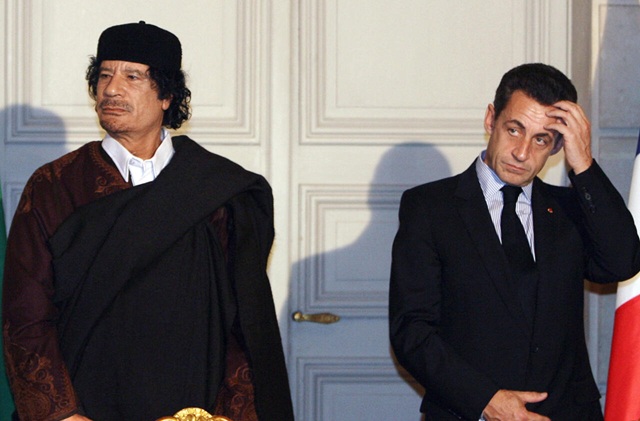
The trial, which is set to conclude on April 8, has brought renewed scrutiny to Sarkozy’s interactions with Gaddafi, particularly a controversial state visit in 2007. Just months into Sarkozy’s presidency, Gaddafi arrived in Paris with an entourage of 100 limousines, pitching his Bedouin-style tent in the gardens of the official guest residence near the Élysée Palace. The week-long visit, filled with high-profile events, stunned many in France, given Gaddafi’s history of human rights abuses and links to terrorism.
Prosecutors allege that this visit was part of a broader arrangement in which Sarkozy sought to rehabilitate Gaddafi on the world stage in exchange for illicit campaign funding. According to the prosecution, a “corruption pact” was sealed during a 2005 meeting in Tripoli, when Sarkozy, then France’s interior minister, allegedly secured Gaddafi’s financial support for his future presidential bid.
Sarkozy, who served as president from 2007 to 2012, has vehemently denied any wrongdoing. “You will never, ever find—not one euro from Libya, not even a single cent,” he declared during the trial, calling the accusations a conspiracy. He insists that Gaddafi’s visit was solely linked to his efforts to negotiate the release of Bulgarian nurses imprisoned in Libya and had no connection to his campaign financing.
Despite his denials, the prosecution has presented evidence suggesting that Sarkozy and his close aides benefited from large sums of cash delivered in suitcases by Franco-Lebanese businessman and arms dealer Ziad Takieddine. French authorities have also questioned why Sarkozy’s former chief of staff, Claude Guéant, rented a large vault in a Parisian bank—suspecting it may have been used to store illegally obtained funds. Guéant, however, claimed the vault was meant to keep important campaign documents.
If convicted, Sarkozy faces up to seven years in prison, a €300,000 fine, and a five-year ban from holding public office. This would add to his growing list of legal troubles. Earlier this year, he became the first former French president to serve a custodial sentence, having been placed under house arrest with an electronic ankle bracelet for a separate corruption case. Additionally, he has been convicted in an illegal party financing scandal related to his 2007 campaign and is under investigation for other corruption-related allegations.
Sarkozy’s fall from grace has been dramatic. Once a dominant force in French politics, he was seen as a charismatic leader who modernized the right-wing landscape. His presidency was marked by economic reforms and a tough stance on crime. However, critics argue that his ambition often led him to bend the rules, reflecting a bygone era when campaign financing was less regulated and cash donations flowed freely in political circles.
The trial has also highlighted broader concerns about political corruption in France. As Financial Times notes, before the introduction of stricter campaign finance laws in the 1990s, both major political parties often relied on untracked donations, sometimes in cash. While reforms have since tightened regulations, Sarkozy’s trial serves as a reminder of the murky financial dealings that once dominated French politics.
As the verdict looms, Sarkozy remains defiant, portraying himself as the victim of a politically motivated prosecution. Yet, regardless of the outcome, the trial has already left an indelible mark on his legacy, cementing his status as one of France’s most controversial modern leaders.