Global electricity consumption by data centres is on course to more than double by 2030, largely driven by the explosive growth of artificial intelligence, according to a new report by the International Energy Agency (IEA) and as highlighted in The Nature. The findings shed light on the looming energy demands of the digital world, raising serious concerns about the environmental footprint of AI technologies and the infrastructure supporting them.
In 2024, data centres consumed approximately 415 terawatt-hours (TWh) of electricity—about 1.5% of the world’s total usage. But by 2030, that figure is projected to surge to 945 TWh, nearly matching the current annual consumption of Japan. AI, with its hunger for computing power and server capacity, is identified as a key driver of this surge.
Although the IEA report acknowledges that data centres handle a variety of computing tasks, it estimates that AI servers alone accounted for 24% of server electricity demand and 15% of the total data centre consumption in 2024. Some experts believe this figure may be conservative. Alex de Vries, a researcher at VU Amsterdam and founder of Digiconomist, told The Nature that the report is “a bit vague when it comes to AI specifically,” and warned that we may be underestimating the real impact. “Regardless of the exact number, we’re talking several percentage of our global electricity consumption,” he said.
The geographical distribution of this growth is also uneven. The United States, Europe, and China collectively account for 85% of today’s data centre energy use, and they are expected to dominate future expansion. Notably, China and the US alone are projected to contribute nearly 80% of the increase in electricity demand from data centres by 2030. Meanwhile, only 5% of this growth will come from developing economies.
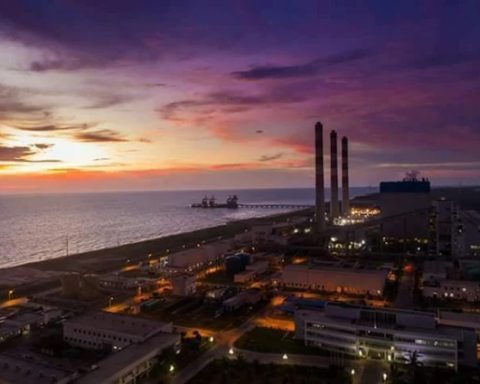
As a result, governments and utilities are scrambling to build power plants and upgrade electricity grids to keep pace. Yet, the IEA warns that around 20% of upcoming data centres may experience delays in connecting to the grid—an infrastructure bottleneck that could slow digital expansion or strain local energy systems.
The environmental implications are stark. While two-thirds of new electricity capacity is projected to come from renewables, the report also notes a troubling expansion of gas-fired power in the United States. “We’re going to increase our reliance, or at least extend, our reliance on fossil fuels,” de Vries cautioned, emphasizing the contradiction this poses to global climate commitments.
Despite uncertainties around the future scale of AI usage, one message is clear from the IEA and echoed in The Nature: the rapid rise of data centre energy consumption could become a serious barrier to achieving climate goals. As AI continues to reshape industries, it also forces a reckoning with the energy realities of our increasingly digital age.