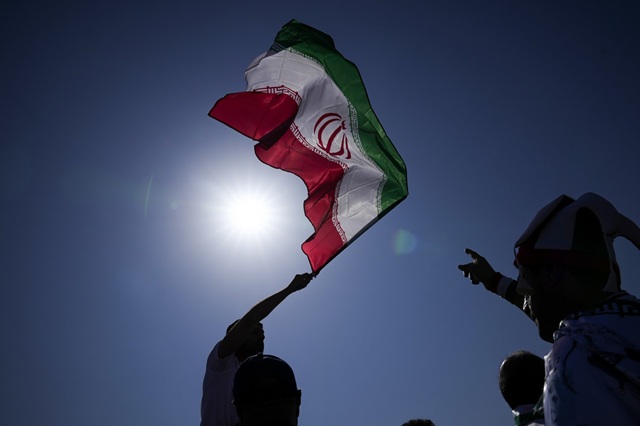
The United States and Iran began high-level, indirect nuclear talks in Muscat on Saturday, in a bid to de-escalate mounting tensions and explore the possibility of renewed negotiations over Tehran’s advancing nuclear program. The discussions, mediated by Oman, mark the first engagement between the two sides under President Donald Trump’s second administration.
Iranian Foreign Ministry spokesman Esmaeil Baqaei confirmed that the talks had commenced with each delegation seated in separate rooms, exchanging messages via Omani Foreign Minister Badr al-Busaidi. Despite earlier White House claims that the discussions would be direct, the talks started indirectly — a reflection of deep-seated mistrust that has plagued U.S.-Iran relations for decades.
The Iranian delegation is led by Foreign Minister Abbas Araqchi, while the U.S. side is represented by President Trump’s Middle East envoy, Steve Witkoff. Witkoff had arrived in Oman late Friday following consultations in Moscow with Russian President Vladimir Putin — a sign of the broader geopolitical stakes surrounding the negotiations.
Objective: Gauge Seriousness, Reduce Risk of War
Both sides have emphasized their primary objective is to assess whether the other is serious about reaching an agreement or simply playing for time. President Trump has warned repeatedly that Iran must agree to limits on its nuclear ambitions or face potential military action.
“We are not here for theatrics,” Araqchi told Iranian state television ahead of the meeting. “Our goal is a just and respectful agreement based on equality. If the U.S. adopts the same approach, this could mark the start of real negotiations.”
A senior U.S. official told Axios that Trump is prepared to make compromises to secure a deal, suggesting that the administration sees this round of talks as a potential turning point. If the initial indirect exchanges are productive, sources say direct meetings could follow within days.
Key Focus: Nuclear Program, Sanctions, and Regional Tensions
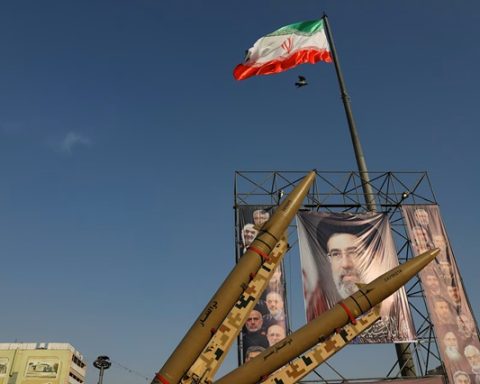
According to an Omani official familiar with the agenda, the talks aim to address Iran’s nuclear program, regional de-escalation, prisoner exchanges, and limited sanctions relief in return for constraints on uranium enrichment activities. Since Trump withdrew from the 2015 nuclear accord in his first term and reinstated harsh sanctions, Iran has enriched uranium to 60% purity — a short step from weapons-grade levels.
Iran continues to insist its nuclear program is purely for civilian energy purposes, but Western powers and Israel maintain that Tehran is edging dangerously close to nuclear weapons capability. Israel, which views Iran’s nuclear ambitions as an existential threat, has openly threatened military action if diplomacy fails.
Backdrop of Regional Instability
The resumption of talks comes amid a backdrop of regional upheaval. Ongoing conflicts in Gaza and Lebanon, Iranian-Israeli missile exchanges, Houthi attacks on Red Sea shipping lanes, and the collapse of the Syrian government have inflamed tensions across the Middle East. Iran’s once-expansive influence — through regional allies in the so-called “Axis of Resistance” — has waned significantly over the past year.
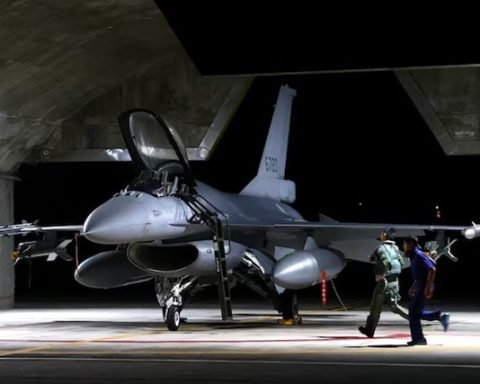
Failure to achieve progress in Muscat could further destabilize the region, especially if military confrontation between the U.S. and Iran becomes more likely. Tehran has warned that U.S. bases in neighboring countries would be targeted in the event of an attack on Iranian soil.
Despite the challenges, Ayatollah Ali Khamenei, Iran’s Supreme Leader, has granted Araqchi full authority to negotiate. However, Tehran has drawn a firm red line on its ballistic missile program and other defense capabilities, which it says are non-negotiable.
Outlook: Cautious Optimism, Lingering Doubts
While both sides have expressed cautious optimism, there is little illusion about the depth of the divide. The initial exchanges are expected to clarify each side’s willingness to move forward.
“This is only the first meeting,” Araqchi said. “Many initial and fundamental issues will be addressed. Only after that can we determine if there’s a path forward.”
For now, all eyes remain on Muscat — a quiet Gulf capital suddenly thrust into the center of a potentially historic diplomatic moment.