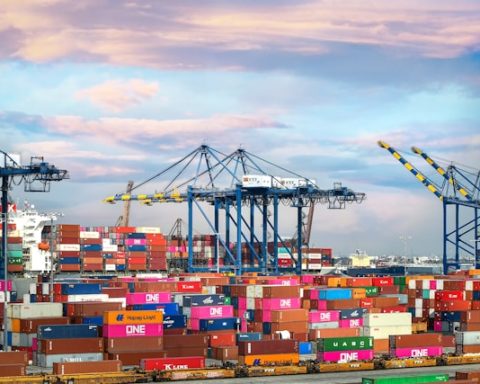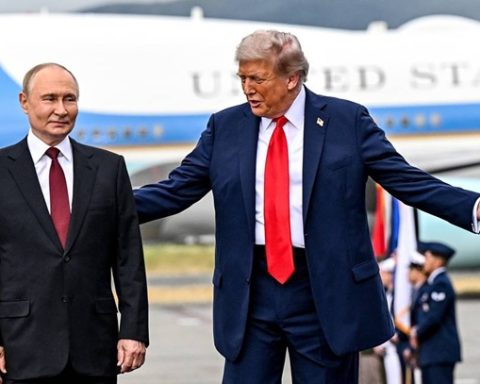
As major global economies introduce a wave of steeper tariffs, the United Nations Conference on Trade and Development (UNCTAD) has raised alarms about the potential harm to developing countries. In its latest report, released on April 14, UNCTAD warns that the imposition of “reciprocal tariffs” could devastate some of the world’s most vulnerable economies, without effectively addressing the trade deficits they are intended to solve.
The report, titled “Escalating tariffs: The impact on small and vulnerable economies,” highlights the disproportionate effect these tariffs could have on 57 of the United States’ trading partners. These countries, including 11 that are classified as least developed, contribute very little to the US trade deficit yet are at risk of being hit with tariffs ranging from 11% to 50%.
The tariffs are a response to trade imbalances and are currently paused for 90 days. However, their potential reactivation could have serious economic consequences for the countries involved, as their contribution to US trade deficits is minimal. According to UNCTAD, 28 of the 57 countries contribute less than 0.1% to the US trade deficit, yet they could still face significant tariff hikes. For instance, countries like Lesotho (50%), Laos (48%), and Madagascar (47%) would see some of the highest tariff rates.
Despite their minimal impact on US trade deficits, these reciprocal tariffs could hurt developing economies that are already fragile. Many of these nations have limited market access and weak purchasing power, meaning that the tariffs would likely hinder their economic growth without providing substantial benefits to the US. UNCTAD notes that such tariffs would reduce these economies’ revenue collections while offering little benefit in terms of reducing the US trade deficit.
The report further underscores that the additional tariffs would not significantly boost US tariff revenues. In fact, for 36 of the 57 affected countries, the additional tariff revenue would amount to less than 1% of the total US tariff revenues for 2024. For example, Laos could generate $375 million, but that would represent just 0.45% of the total tariff collection. Similarly, Tunisia, Serbia, and Myanmar could collectively generate a small fraction of the US’s tariff revenues, leading to minimal financial gains.
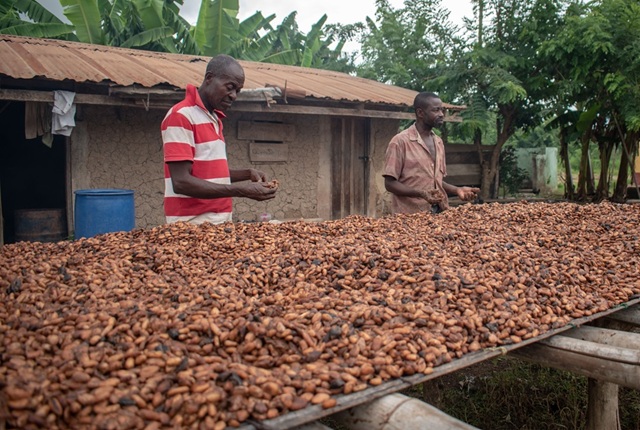
Moreover, the report warns that the introduction of tariffs could lead to higher prices for US consumers, particularly for goods such as agricultural products that are crucial imports from developing countries. Items like vanilla from Madagascar and cocoa from Côte d’Ivoire and Ghana are vital imports to the US, and price increases on these products could have far-reaching consequences for both consumers and industries that rely on these goods.
UNCTAD’s report calls on global leaders to reconsider the imposition of such tariffs, especially on the poorest economies, and to explore alternative measures that would not disproportionately harm vulnerable nations while still addressing trade imbalances.