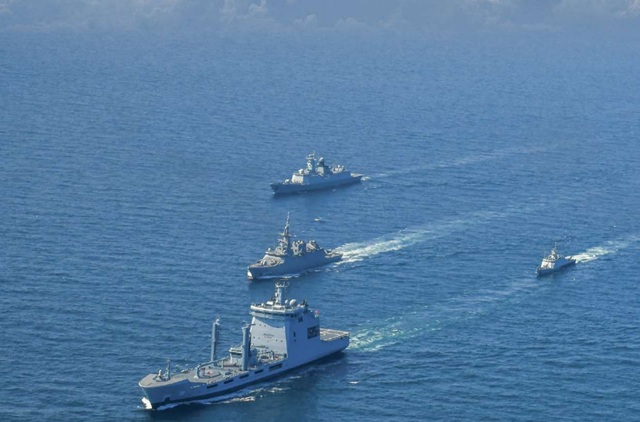
A planned joint naval exercise between the navies of Sri Lanka and Pakistan in the strategic waters off Trincomalee has been quietly shelved following strong objections raised by India, multiple sources familiar with the development confirmed.
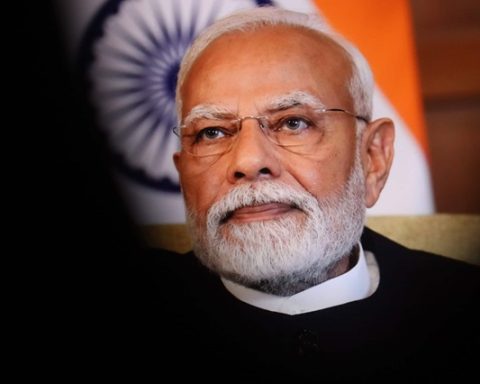
The military drill, part of regular bilateral engagements between the two countries, was intended to take place in the waters off Trincomalee — one of the Indian Ocean’s most strategically vital deep-water ports. However, the plan was dropped in the weeks leading up to Indian Prime Minister Narendra Modi’s recent visit to Colombo, after New Delhi expressed clear objections to the exercise.
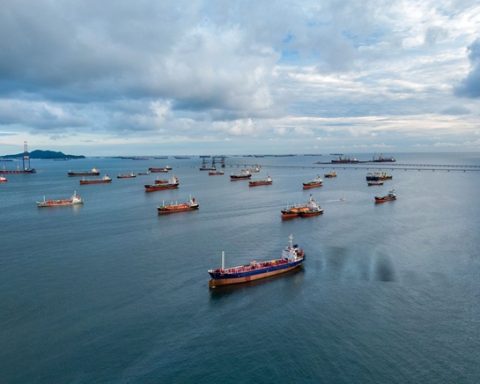
Trincomalee’s location along the northeastern coast of Sri Lanka makes it a maritime asset of immense geopolitical significance. Indian defence officials argue that any foreign military activity in these waters — especially by Pakistan, a close defence partner of China — poses potential security risks to India.
“The Pakistani Navy’s operational synergy with China’s PLA Navy elevates the strategic stakes,” said a senior Indian defence expert. “India’s objection is rooted in regional security calculus, particularly in light of growing Chinese naval footprints in the Indian Ocean.”
While neither Sri Lanka nor Pakistan made any official comment on the canceled drill, sources say Colombo responded to India’s concerns in a bid to avoid diplomatic friction, especially as ties with New Delhi deepen across security and economic spheres. During Modi’s April visit, India, Sri Lanka, and the United Arab Emirates signed a tripartite agreement to develop Trincomalee into a regional energy hub — a step seen as part of India’s broader efforts to bolster its influence and support Sri Lanka’s economic recovery.
India and Sri Lanka also signed a defence cooperation pact, formalizing closer military collaboration. The agreement marks a renewed chapter in India-Sri Lanka defence ties, which had cooled in the aftermath of India’s controversial military intervention in the late 1980s.
A Complex but Resilient Defence Relationship: Sri Lanka and Pakistan
While India and Sri Lanka continue to strengthen their partnership, Colombo’s military relationship with Pakistan remains robust and historically significant — forged through key moments of mutual support that have often flown under the radar.
One of the most defining examples came during the 1971 India-Pakistan war. As India imposed an air blockade on Pakistani routes to East Pakistan (now Bangladesh), Sri Lanka allowed Pakistani military aircraft to refuel at Bandaranaike International Airport near Colombo and granted overflight rights — a move that enabled Pakistan to sustain air operations. Despite potential fallout, Sri Lanka stood by its decision, citing its commitment to neutrality and friendly relations with all states.
During Sri Lanka’s decades-long civil war, Pakistan was among the few countries that consistently provided military assistance. This included supplying arms, ammunition, and even training Sri Lankan military personnel. The support continued even during peak conflict years when other countries hesitated due to political or human rights concerns.
In more recent decades, the two nations have carried out bilateral naval exercises, defence training programs, and high-level military exchanges. Pakistani warships frequently visit Sri Lankan ports, and military delegations from both sides often attend each other’s national defence colleges and strategic forums.
“Sri Lanka’s military ties with Pakistan are not reactionary or transactional — they are the product of longstanding cooperation, grounded in mutual respect,” said a retired Sri Lankan naval officer. “We’ve received support in difficult times, and we’ve always sought to keep defence diplomacy separate from regional politics.”
Balancing Act in a Tense Geopolitical Theatre
Sri Lanka’s foreign policy has long been anchored in non-alignment, aiming to maintain friendly relations with all major powers — a posture that becomes increasingly challenging amid intensifying regional competition, particularly between India and China.
By shelving the planned naval drill with Pakistan, Sri Lanka appears to be calibrating its actions to avoid straining its fast-deepening ties with India, while still upholding its tradition of strategic neutrality. The decision also reflects Colombo’s heightened sensitivity to India’s objections, especially at a time when it is counting on Indian investments and security cooperation to stabilize its post-crisis recovery.
Yet, Colombo has stopped short of distancing itself from Pakistan altogether. Military-to-military contacts continue, and defence diplomacy remains active. Analysts suggest that Sri Lanka will continue walking this tightrope — fostering partnerships with India, China, and Pakistan alike — as it navigates an increasingly multipolar and contested Indian Ocean landscape.
As the island nation shapes its future defence strategy, the test will lie in preserving autonomy while avoiding entanglement in regional rivalries — a balancing act that has defined its foreign policy for decades, and one that will only become more delicate in the years to come.