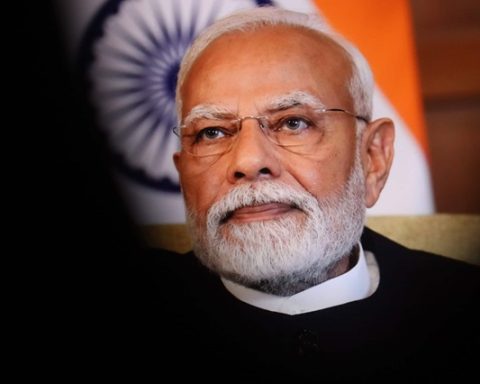
India has approved the inclusion of caste data in the upcoming national population census, a move that brings the long-delayed exercise closer to fruition. The Cabinet Committee on Political Affairs, led by Prime Minister Narendra Modi, confirmed the decision on Wednesday, signaling progress on the census, which has been postponed for nearly four years.
Information and Broadcasting Minister Ashwini Vaishnaw announced the approval, stating, “Caste enumeration should be included in the forthcoming census.” He emphasized that the decision reflects the government’s commitment to the values and interests of society and the nation, though he did not specify a date for the census.
India has long faced limited public data regarding the number of individuals belonging to specific castes. In the absence of comprehensive caste-based data, several state governments, particularly those governed by opposition parties, have conducted their own surveys to highlight the socio-economic disparities within Indian society. Supporters of the caste enumeration argue that detailed caste data would enable the government to tailor affirmative action policies more effectively.
The national census, which is typically conducted every ten years, was last completed in 2011. However, it has been delayed multiple times, primarily due to the COVID-19 pandemic. As a result, the 2021 census, originally scheduled to take place, has yet to be conducted.
The inclusion of caste data is particularly significant in light of India’s recent national elections. Analysts have noted that caste identity played a pivotal role in the 2024 elections, potentially influencing the Bharatiya Janata Party’s (BJP) loss of its parliamentary majority. Opposition parties campaigned on promises to implement comprehensive caste surveys, arguing that such data would help create more targeted policies for socially and economically disadvantaged groups.
The decision to approve caste enumeration is expected to reshape the conversation on affirmative action and social equity in India, with potential implications for future elections and government policies.