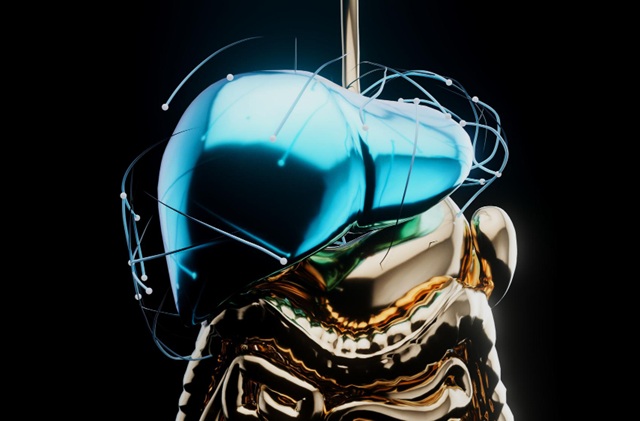
A team of researchers has discovered that a fungus commonly found in the human gut can significantly reduce disease symptoms in mice. The study, published in Science and reported by Nature, could open new doors for one of the world’s most widespread yet under-treated liver conditions.
The research centers on Fusarium foetens, a filamentous fungus isolated from human feces using a specially designed cultivation system. Although little was known about its role in human health until now, scientists at Peking University Third Hospital in Beijing have shown that this gut-dwelling organism can counteract symptoms of metabolic dysfunction-associated steatohepatitis (MASH)—a severe form of fatty liver disease.
MASH, and the broader condition of non-alcoholic fatty liver disease (NAFLD), affects nearly one-third of adults globally, with limited treatment options. Currently, only one drug has been approved by the US Food and Drug Administration, and its effectiveness is modest. That’s what makes the results of this fungal study so significant.
In experiments on mice with MASH, administering F. foetens led to a marked reduction in liver inflammation and scarring. The mechanism? A molecule secreted by the fungus that inhibits the synthesis of ceramides—fatty compounds known to accumulate in both human and mouse cases of liver disease.
Further biochemical analysis identified that F. foetens secretes a compound that blocks CerS6, a key protein involved in producing ceramides in the gut. Though the molecule had been found in other fungal species before, this is the first time it’s been linked to a potential therapeutic effect on liver disease.
“This discovery not only identifies a new role for fungi in regulating metabolism, but also points to a concrete lead for treatment,” said microbiologist Jiang Changtao, co-author of the study.
The work also represents a technical breakthrough in studying the gut mycobiome—the fungal component of the gut microbiota. Unlike bacteria, fungi are vastly outnumbered in the gut and are notoriously difficult to isolate and grow. Microbiologist Marie-Claire Arrieta from the University of Calgary, not involved in the study, praised the team’s fungal isolation platform and called the findings “therapeutically relevant.”
Arrieta also noted that MASH affects more than just the liver. “It’s very likely that F. foetens had unmeasured effects in other parts of the mouse body,” she said, suggesting that follow-up research should examine broader systemic impacts.
As Nature has consistently emphasized, from the complex mathematics of rose petals to the geopolitics of green technology, biology’s subtleties often contain untapped innovations. This study adds to that growing body of work — a reminder that even the smallest organisms in our microbiome may hold outsized potential in shaping the future of medicine.