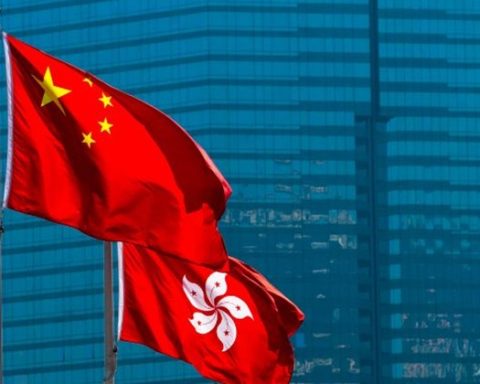
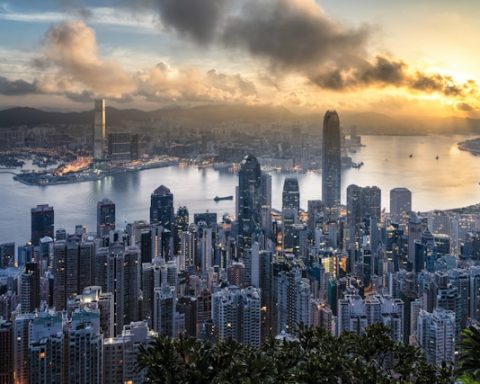
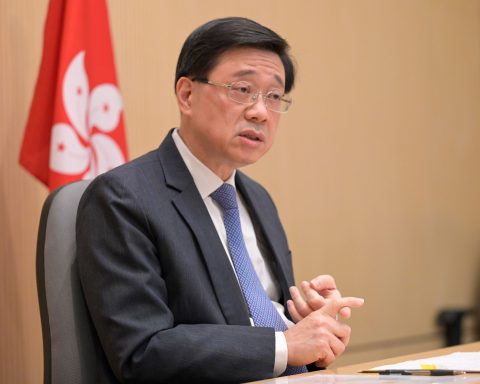
The Hong Kong government gazetted the new rules, which expand the operational scope of Beijing’s national security office in the city. The Office for Safeguarding National Security (OSNS) will now benefit from enhanced investigative powers, and its facilities are to be designated as “prohibited places,” restricting public access.
The legislation, passed through a negative vetting process that allows it to become law before legislative scrutiny, underscores how geopolitical frictions — particularly between the U.S. and China — are shaping policy in the city. In a statement, a government spokesperson cited the need to counter “increasingly turbulent global geopolitical” risks, without naming any specific nations.
The expanded rules oblige public servants to assist the OSNS and shield those who comply with its directives from civil liability. The law also introduces strict penalties: disclosing an OSNS investigation or failing to follow its orders could result in prison sentences of up to seven years.
These changes come against a backdrop of growing anxiety among Hong Kong’s elite, particularly following Beijing’s reaction to billionaire Li Ka-shing’s sale of strategic port assets — including two in Panama — during heightened U.S.-China trade tensions. As Bloomberg previously reported, the incident has unsettled some wealthy investors, leading them to reassess their financial ties to Hong Kong.
The new measures are introduced under the Safeguarding National Security Ordinance, a local framework established to reinforce the sweeping Beijing-imposed national security law enacted in 2020. That original law was brought in following large-scale pro-democracy protests and gave the OSNS jurisdiction over cases involving foreign elements or deemed to pose significant national security threats.
Officials maintain that the legal changes are essential for stability and assert that they do not interfere with routine public life or business operations. However, critics argue the evolving legal landscape continues to erode civil liberties and autonomy in the once semi-independent territory.
Bloomberg will continue monitoring developments as Hong Kong navigates its delicate position between global financial integration and Beijing’s national security priorities.