Just over a week ago, MIT Technology Review released Power Hungry, a revealing deep-dive into the staggering energy demands of artificial intelligence. While much of the spotlight has been on the sheer scale of that power consumption, another crucial piece of the puzzle is what exactly will be generating that electricity. The uncomfortable truth? AI might not be the climate savior some had hoped—it could be its next big problem.
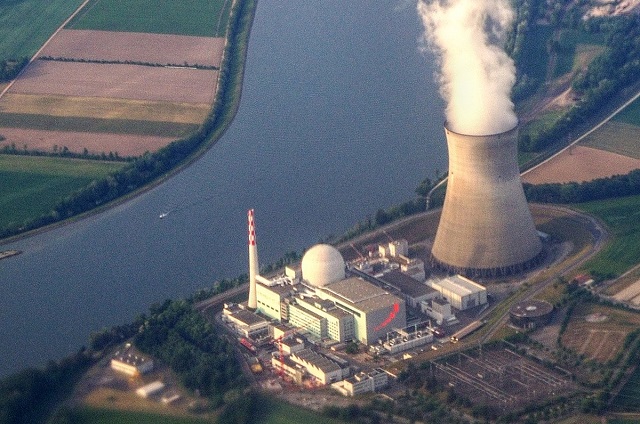
One of the key stories in the package focuses on nuclear energy, long hyped as a clean, reliable solution to meet rising AI energy needs. At first glance, it seems perfect. Unlike wind and solar, which are intermittent and often require expensive battery storage, nuclear plants provide a steady, around-the-clock power source. That constant output is exactly what AI data centers—especially those serving live models that respond to user queries in real time—need. Tech giants like Google can’t afford to power down their AI services every time the sun sets or the wind dies.
But as MIT Technology Review journalist Casey Crownhart explains, the nuclear solution isn’t nearly as straightforward as its advocates suggest. After years of reporting on the industry, she remains skeptical. Building new nuclear plants takes decades, not years, and while extending the life of existing reactors or upgrading them—like the Columbia Generating Station in Washington, which could boost its output by over 10%—can help a little, the total gains fall woefully short of what’s needed. Simply put, nuclear won’t scale fast enough to meet the tsunami of demand AI is bringing.
That leaves one increasingly likely alternative: fossil fuels, particularly natural gas. In fact, as laid out by Crownhart’s colleague David Rotman in the same series, the AI boom is already driving a surge in new natural gas power plants across the United States. Many of these plants will still be running in 2050—far past the Paris Agreement’s deadline for net-zero emissions. And yet, tech companies are racing ahead with data center expansions, often in regions where gas is cheap and easy to connect to the grid.
This growing reliance on gas reveals a deeply ironic twist: the same companies touting AI as a tool to help fight climate change may be powering it with the very fuels pushing the planet closer to crisis. It’s not just a technical or logistical problem—it’s a political and ethical one. AI’s power hunger is now colliding head-on with global climate goals, and how we choose to resolve that conflict may define both our technological and environmental futures.
Still, there is hope. Rotman points out that big tech doesn’t just consume power—it holds enormous influence over how it’s produced. If companies adjusted their usage during peak hours—even for a tiny fraction of the year—it could significantly reduce the need for new fossil fuel infrastructure. And if they demanded stricter environmental safeguards, like installing carbon capture or eliminating methane leaks from the natural gas supply chain, they could at least blunt the damage.
In the end, Power Hungry doesn’t just show us how much electricity AI will consume. It asks the harder question: What kind of world will we build to keep the machines running? Whether we turn to nuclear, renewables, or default to fossil fuels, the path we choose will shape the climate for decades to come. And as MIT Technology Review makes clear, it’s not just about powering AI—it’s about who gets to decide how the future is wired.