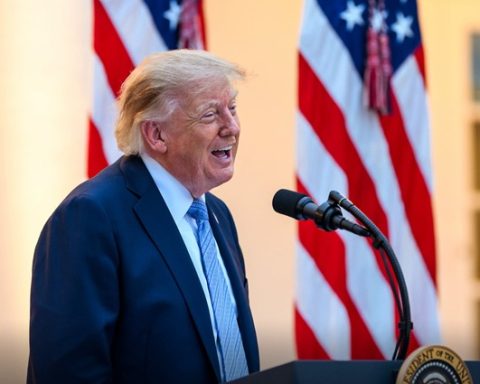
Green bond sales in the United States have declined sharply in 2025 following President Donald Trump’s return to the White House, as companies grow more cautious about publicly aligning with environmental initiatives.
According to data from the Climate Bonds Initiative, U.S. green bond issuance totaled just $24.4 billion through the end of May — down from $43.3 billion during the same period in 2024 and marking the lowest figure since at least 2021. The U.S. now accounts for only 9% of global green bond issuance, a steep drop from more than 14% in 2021.
In contrast, Europe has continued to see robust activity in the sector, with green debt sales there still exceeding pre-2021 levels. The divergence has highlighted growing political sensitivities around environmental, social, and governance (ESG) issues in the U.S. under a Trump administration that has prioritized fossil fuels and rolled back numerous environmental regulations.
“Greenhushing” on the Rise
Amid fears of political backlash, many U.S. companies have opted to fund climate-related projects more discreetly — often issuing conventional debt without applying the green bond label. This practice, known as “greenhushing,” reflects a wider trend of companies downplaying their sustainability efforts in the current political climate.
“No one wants to have a target painted on their back,” said Sean Kidney, founder of the Climate Bonds Initiative, referring to corporate apprehension under the current administration. He acknowledged that while political pressure is not the only factor suppressing issuance, it is a major one.
Bankers in the clean energy finance sector noted that projects such as wind and solar power generation are still being funded, but with far less fanfare. “You might still do it but not brag about it,” said one banker, citing a similar trend among investment firms. “You’re not going to be bragging about launching new funds that invest in green stuff.”
Market Headwinds and Regulatory Shifts
In addition to political sensitivities, weakening financial incentives have also discouraged green bond issuance. The so-called “greenium” — the interest rate advantage for issuing green bonds — has narrowed considerably, reducing the cost savings that once made green debt an attractive option.
Hortense Bioy, head of sustainable investing research at Morningstar, noted that falling demand among U.S. investors, combined with a less favorable pricing environment, has made the market less appealing. “All of this makes for an environment prone to greenhushing,” she said.
A portfolio manager focused on sustainable assets confirmed that economics still play a critical role. “At the end of the day, if the company knew they would be able to receive advantageous funding rates, they’d be able to get over that and still issue green bonds,” the manager said. “Issuers will continue to do that — they just may not label it green.”
Political Backdrop Alters ESG Landscape
The downturn in U.S. green finance mirrors a broader shift in sentiment around ESG investing. The movement has faced intensifying scrutiny from Republican officials and state governments, many of which enacted policies in 2023 and 2024 to restrict or ban ESG considerations in public investments. These actions prompted major banks and asset managers to withdraw from emissions-reduction coalitions and abandon ESG-related commitments.
Investor sentiment has followed suit, with U.S. ESG funds suffering historic outflows earlier in 2025.
President Trump has been explicit about his intent to revitalize the fossil fuel industry and dismantle environmental rules put in place during Joe Biden’s administration. His administration is currently working to repeal a key Biden-era regulation that allowed retirement fund managers to weigh ESG factors in their investment decisions.
Peak and Decline
U.S. green bond sales hit their peak in 2021, when over $93 billion in green debt was issued. The momentum has since reversed, reflecting a complex mix of political, economic, and reputational challenges for issuers.
While the underlying projects — such as renewable energy development — are expected to continue, the public branding of such initiatives may remain muted for the foreseeable future. With pressure mounting from Washington and market incentives waning, the green bond market in the U.S. appears to be entering a quieter phase, even as global demand for sustainable finance holds firm elsewhere.