The United Nations Conference on Trade and Development (UNCTAD) has sounded a stark warning about the continuing fall in global foreign direct investment (FDI), calling for urgent international action to prevent long-term damage to developing countries. Launching the World Investment Report 2025 in Geneva on Thursday, UNCTAD Secretary-General Rebeca Grynspan revealed that global FDI fell by 11% in 2024, marking the second consecutive year of decline and reinforcing what she called a worrying pattern.
“This is not just a downturn – it’s a pattern,” Grynspan said, underscoring the implications for sustainable development, job creation, and infrastructure, particularly in the world’s most vulnerable economies. The report shows that global FDI flows dropped from $1.67 trillion in 2023 to $1.49 trillion in 2024. Developed economies experienced the sharpest decline, with FDI plunging 22%. Europe was the worst-hit region, suffering a 58% drop. North America saw a 23% increase, standing out as a rare exception.
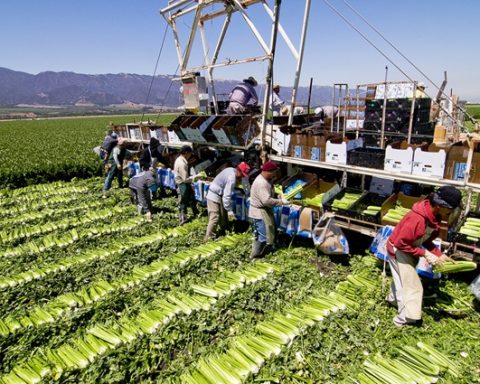
In developing economies, overall FDI remained flat, rising only 0.2%. Africa saw a 75% surge in investment, but Latin America and the Caribbean recorded a 12% fall, while Asia experienced a modest 3% decline. Although there were signs of resilience in some regions, the report paints a grim picture for key sectors essential to the achievement of the Sustainable Development Goals (SDGs). FDI in renewable energy fell by 31%, water and sanitation by 30%, and agrifood systems by 19%. Investment in health and education rose by 25%, but total health-related FDI remained under $15 billion globally, far below the needs of developing nations.
FDI in the digital economy was one of the few bright spots, growing 14%. However, the benefits were highly concentrated, with nearly 80% of digital sector greenfield investments in developing countries going to just 10 nations—led by India, Malaysia, Singapore, and Indonesia. This concentration highlights the widening digital divide and leaves most developing countries at risk of being excluded from the global digital transformation.
Despite these challenges, the report identifies some signs of resilience. Greenfield investment surged in Southeast Asia, while Africa, India, and parts of the Gulf and Latin America maintained investor interest. Still, Grynspan emphasized the need for urgent structural reforms and collective global action. The report proposes a six-point action plan aimed at reforming the global financial system, closing the digital investment gap, and channeling FDI into sustainable development sectors.
“We are not just launching another report. We are sounding an alarm. The time to act is now,” Grynspan concluded, urging global leaders to take bold steps to revive productive investment. The report’s release sets the stage for high-level discussions at the 4th UN Financing for Development Conference, scheduled to take place later this month in Seville, Spain.