Sri Lanka’s state universities are struggling to recruit and retain senior academics as lecturers leave for overseas employment, creating staffing shortages that threaten their ability to accommodate a growing student population. The crisis has prompted university academics to demand more recruitment, while students have taken to the streets over inadequate accommodation, rising living costs and the limitations of online education.
The government has proposed increasing student admissions to 43,000 across the country’s 17 state universities, compared with 25,000 in 2015. However, the Federation of University Teachers’ Associations (FUTA) says the current academic workforce is insufficient to meet the needs of the expanding student population.
FUTA secretary Charudaththe Illangasinghe said University Grants Commission Circular No. 420/119 indicated that universities would require 12,000 lecturers to accommodate 43,000 students. “But we have less than 6,000 academics now to cater to 43,000 students,” he said. In 2022, the universities had 5,800 lecturers serving approximately 30,000 students, he added.
Last month, university academics took to the streets demanding the recruitment of additional senior teaching staff. Illangasinghe attributed the difficulties in retaining academics partly to high taxation and the loss of employment-related incentives, including vehicle permits and housing loans. These factors, he said, were encouraging lecturers to seek employment overseas.
The departures have increased the workload of academics who remain in the system. Illangasinghe said lecturers had been forced to work overtime without receiving their entitlements to study leave or vacation leave. Although the government has reportedly granted permission to recruit an additional 1,000 lecturers following representations about the staffing shortage, only a few candidates have been attracted to the positions.
“The government has to increase the number of academics; there is no other way we can manage such numbers,” Illangasinghe said. He also warned against expanding student admissions beyond what existing facilities could support, including hostel accommodation. While the government has announced plans to establish 50 new state universities across the country, he argued that maintaining standards at the existing 17 institutions should take priority.
Recruiting senior academics has become particularly difficult because some staff members leave for postgraduate studies and do not return, according to the source material. The problem is especially acute at universities in remote provinces, where filling academic vacancies has become increasingly difficult.
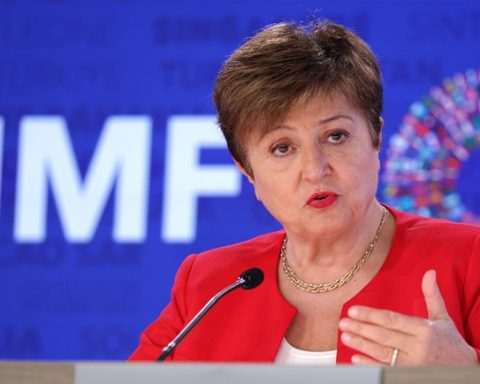
The staffing crisis is unfolding alongside concerns about graduate employment. A recent International Monetary Fund report on Sri Lanka cited in the source put the graduate unemployment rate at 43%, the highest among South Asian countries. The report attributed the difficulties faced by graduates partly to a mismatch between their qualifications and available employment opportunities. Some jobs require strong English-language skills and information technology knowledge that graduates may not possess.
Dr T.A. Piyasiri, a former vice-chancellor of the University of Vocational Technology, said students needed better guidance when choosing academic programmes. Universities, he argued, should provide counselling services to help students select courses that match their interests and financial circumstances.
Changes in teaching methods have added another dimension to the debate. Online education, introduced widely during the coronavirus disease pandemic, has become a lasting feature of university teaching, with many lectures continuing to be delivered remotely. Piyasiri said the hybrid system deprived students of some of the classroom experience and campus life associated with university education.
Students have also called for a return to more in-person teaching. Last week, undergraduates from state universities protested over unresolved grievances, including hostel shortages and the rising cost of living. Madhushan Chandrajith, convenor of the Inter University Student Federation, said online classes were no longer appropriate now that the pandemic was over.
“We need to integrate with other students and also participate in extracurricular activities on campus,” he said.
Experts cited in the source said universities needed to combine online education with an active campus environment to help address student dropouts. The concerns over teaching quality, staffing and student welfare come as the government develops a broad programme of tertiary education reforms intended to increase access to teaching and learning and strengthen universities’ research capacity.
The draft National Committee on Higher Education Policy Development has been prepared through an evidence-based process involving consultations with state and non-state universities, higher education institutions, transnational education providers and tertiary vocational education and training organisations.
The proposed reforms cover governance, quality assurance, research capacity, funding constraints, qualification mobility and the long-term sustainability of financing. Other proposals include interest-free loans, public investment and performance-based funding and incentives. The framework also envisages a consolidated tertiary account, an independent regulatory authority, a national information centre aligned with the UNESCO Global Convention, a unified qualification framework and legislative provisions for credit transfers and recognition of prior learning.
Education Ministry Additional Secretary Chandima Janaki said preliminary preparations, including stakeholder consultations, public awareness activities and discussions with students and academics, had been completed. However, she said further work was required on fiscal impact analysis and legal matters before the proposed bill could be presented to Parliament.