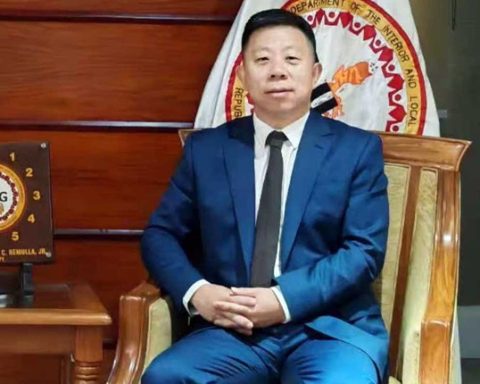
Russia has formally recognized the Taliban government in Afghanistan, becoming the first nation to do so since the Islamist group seized control of Kabul in 2021. The recognition was made official on Thursday when Moscow accepted the credentials of newly appointed Afghan ambassador Gul Hassan Hassan.
Russia’s foreign ministry confirmed the move in a statement, saying it would “fuel productive bilateral co-operation between our countries in various fields.” A photo released by the ministry showed Deputy Foreign Minister Andrei Rudenko meeting with Ambassador Hassan. Shortly afterward, Taliban diplomats raised their signature black-and-white flag over the Afghan embassy in Moscow.
The Kremlin’s decision, authorized directly by President Vladimir Putin, marks a significant geopolitical moment — and one that could embolden other nations to follow suit. Until now, while countries like China, Kazakhstan, and Uzbekistan had accepted Taliban-appointed diplomats, none had taken the full step of extending diplomatic recognition.
“The Russian ambassador officially conveyed the Russian government’s decision to recognise the Islamic Emirate of Afghanistan by the Russian Federation,” Afghanistan’s foreign ministry announced on social media. It hailed the decision as a “historic step” that “would set a good example for other countries.”
Russia had long listed the Taliban as a banned terrorist organization, a designation that was quietly lifted in April. The policy shift comes amid warming relations since the U.S.-led withdrawal from Afghanistan in 2021 and coincides with Moscow’s broader effort to forge new alliances as it faces isolation from the West over its ongoing war in Ukraine.
President Putin has praised the Taliban as “allies in fighting terrorism,” asserting that the group has shown willingness to cooperate with Russia on regional security. Moscow has already deepened economic ties with Afghanistan, initiating exports and inviting Taliban representatives to its flagship St. Petersburg International Economic Forum last month.
Russia’s foreign ministry said it sees “significant potential” for collaboration in sectors such as energy, transport, agriculture, and infrastructure. It also emphasized ongoing cooperation on “regional security,” counterterrorism, drug trafficking, and joint cultural and educational initiatives.
The diplomatic move signals Moscow’s broader strategy of engaging with non-Western governments and consolidating influence across Central and South Asia. Analysts suggest the recognition may also strengthen Russia’s position in regional forums where Taliban participation has been contested.
The timing of the recognition is particularly notable. It comes as Germany seeks to negotiate a repatriation deal with the Taliban for Afghan migrants — a move that, if finalized, would mark the first such agreement between a Western nation and the group.