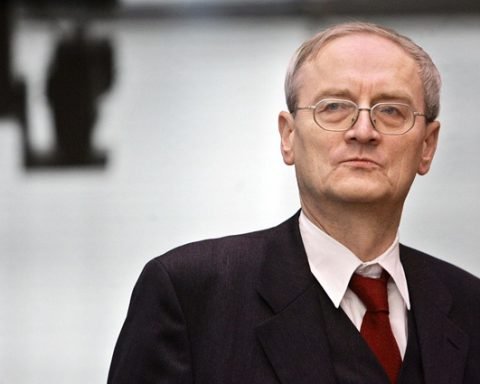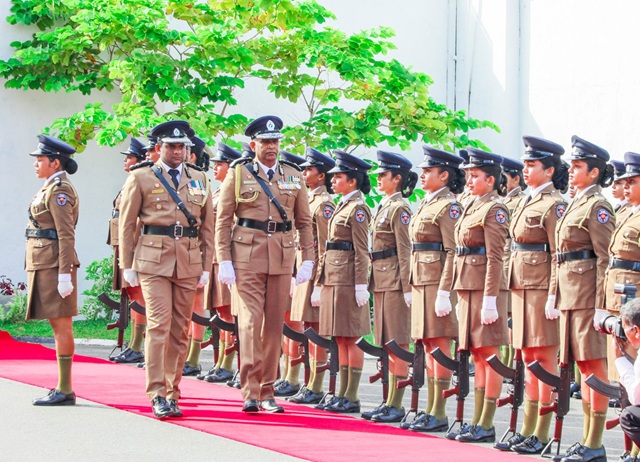
Newly appointed Inspector General of Police (IGP) Priyantha Weerasuriya has drawn sharp criticism following controversial remarks he made during a speech at the Faculty of Law, University of Colombo, on Friday (16).
Speaking about his childhood, IGP Weerasuriya recalled that his mother would discipline him with a stick, claiming that those beatings shaped him into the person he is today. He described his mother as “the most intelligent woman” despite her lack of formal education, saying her strict discipline paved the way for his rise to the highest post in the police service.
“When I was a child, I was often involved in fights,” Weerasuriya said. “One day I came home injured, and my mother found out. Instead of siding with me, she beat me with the best stick. That was her intelligence. Although uneducated, she was the wisest person I’ve ever known.”
The IGP’s remarks, delivered with visible amusement, came while he was recounting a recent case in which a mother complained to him about a school principal allegedly assaulting a student. Rather than addressing the gravity of the complaint, Weerasuriya appeared to dismiss it, joking that his own mother’s beatings were beneficial to him.
His comments have sparked widespread concern among legal experts, child rights advocates, and the public. Under Sri Lankan law, corporal punishment of children is a criminal offense, and both parents and educators are prohibited from physically disciplining minors. As the head of the police force — and a lawyer by profession — Weerasuriya’s public endorsement of corporal punishment is being seen as an alarming contradiction to the legal framework he is sworn to uphold.
Critics argue that his remarks send a dangerous message, undermining efforts to protect children from violence. “By ridiculing a mother’s complaint and glorifying beatings, the IGP has essentially declared that child abuse will not be taken seriously under his watch,” one human rights activist said.
The controversy is particularly troubling given past allegations of police brutality during Weerasuriya’s tenure as Acting IGP. Rights groups fear that his attitude toward corporal punishment could normalize violence not only in homes and schools but also within the criminal justice system.
“In any civilized country, such a statement alone would be grounds for removal,” a senior lawyer commented. “But this is Sri Lanka. Unless the government intervenes, he will continue to use his position to shield abusers and erode the rule of law.”
Deputy Minister of Public Security Sunil Watagala and Cabinet Minister of Public Security Ananda Wijepala have so far remained silent on the issue. Both, themselves lawyers and former law enforcement officials, are now under pressure to clarify whether the government endorses Weerasuriya’s stance.
Child rights organizations warn that the incident could have far-reaching consequences. “If the highest-ranking police officer in the country publicly glorifies beating children at a law faculty, what hope do we have for protecting the next generation?” one activist asked.
As Sri Lanka grapples with questions about the future of its justice system, the IGP’s remarks have ignited a debate about whether the country’s leaders truly stand for the protection of its children — or the preservation of outdated and abusive practices.