In a recent feature published in Nature, the life and legacy of Gilbert White — the eighteenth-century English curate, naturalist, and self-taught biologist — are revisited through historian Jenny Uglow’s new illustrated book A Year with Gilbert White. White, who has been hailed as the “father of ecology,” is credited with transforming the art of nature writing and inspiring none other than Charles Darwin.
White’s seminal work, The Natural History and Antiquities of Selborne (1789), broke away from the stiff, technical style of scientific description that dominated his time. Instead, he infused his observations with colour, narrative, and a sense of intimacy with the natural world. His writing, based on years of meticulous observations in his Hampshire village of Selborne, captured everything from the songs of birds to the peculiar habits of his tortoise, Timothy.
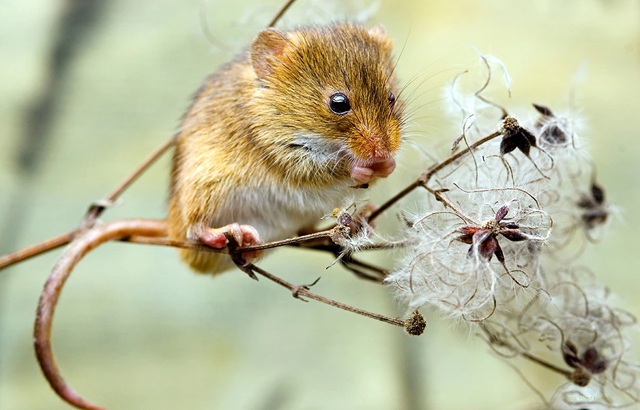
According to Nature, White was the first to identify harvest mice and his daily journals — kept faithfully for 25 years — documented changes in weather, wildlife behaviour, and plant cycles with haiku-like brevity. Entries such as “Bees swarm much. Sheep are shorn.” reveal his ability to condense natural events into striking, memorable notes.
Uglow’s book places White’s observations into modern context, often contrasting them with her own experiences in the Lake District. She explores not only his keen attention to seasonal changes but also his awareness of human pressures on the natural world. Birds in White’s Selborne were often killed for being agricultural pests, a grim reminder that the tension between human livelihood and wildlife is nothing new.
White’s influence extended far beyond his village. His observations on birdsong and seasonal rhythms pioneered early ecological thinking, linking animal behaviour to broader environmental cycles. Darwin himself undertook a pilgrimage to Selborne in 1857, inspired by White’s holistic approach to natural history.
But White’s journals may resonate most strongly today for their environmental foresight. As Nature highlights, his meticulous records of bird migration and flowering seasons are now invaluable for understanding how climate change affects ecosystems. With warmer temperatures, birds are nesting earlier and plants are blooming out of sync — phenomena that White would have likely documented with the same precision and curiosity.
Although Uglow acknowledges gaps in White’s personal story — his faith, bachelorhood, and limited travels remain mysteries — her work underscores his enduring relevance. His legacy is not just scientific but emotional, offering a reminder of the solace and joy that can be found in observing the natural world.