The Trump administration has directed the removal of signs and exhibits related to slavery at multiple national parks, according to sources familiar with the matter, including a historic photograph showing the scars of a formerly enslaved man.
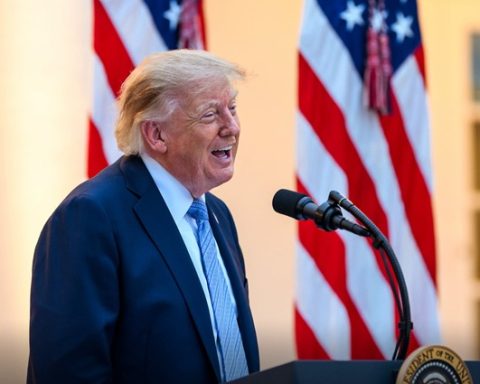
Officials familiar with the effort, speaking on the condition of anonymity, said the removals align with President Donald Trump’s March executive order directing the Interior Department to eliminate information that reflects a “corrosive ideology” disparaging historic Americans. National Park Service (NPS) officials have broadly interpreted the order to encompass content on racism, sexism, slavery, gay rights, and the persecution of Indigenous peoples.
Following the executive order, Interior Department officials issued policies requiring agency employees to report any potentially noncompliant material, including signage and gift shop items. Visitors were also invited to report content they found offensive, though most responses criticized the administration and praised the parks.
The orders affect Harpers Ferry National Historic Park in West Virginia, where abolitionist John Brown led a raid seeking to arm enslaved people for revolt, and the President’s House Site in Philadelphia, where George Washington kept enslaved individuals while serving as president. At Harpers Ferry, staff flagged more than 30 signs for review, many of which discuss racial discrimination and the hostility faced by formerly enslaved people.
One of the most high-profile removals involves the photograph known as The Scourged Back, taken in 1863, showing the scarred back of a man, likely Peter Gordon, from whipping by his masters before escaping slavery. Anne Cross, a scholar of 19th-century photography at Bowdoin College Museum of Art, told The Washington Post that the photo “revealed realities [Northern audiences] had never seen with their own eyes” and shaped political support for the Union during the Civil War. The image later became a symbol in the broader struggle for Black liberation, appearing in tributes such as a New Yorker collage commemorating George Floyd.
Historians and advocates have criticized the removals as a form of censorship that erases vital aspects of American history. “This is not just a handful of signs that tell the story of slavery,” said Ed Stierli, senior Mid-Atlantic regional director at the National Parks Conservation Association. “This is a place that tells the complete story… of those enslaved by George Washington.” Cindy MacLeod, former superintendent of Independence National Historical Park, called the exhibit “vital” for understanding the full history of slavery in America.
Park Service spokesperson Rachel Pawlitz said all signage is currently under review, explaining that “interpretive materials that disproportionately emphasize negative aspects of U.S. history… can unintentionally distort understanding rather than enrich it.”
Critics warn that these actions represent an unprecedented federal intrusion into historical education and civic institutions, part of a broader effort that also includes Trump’s involvement with cultural and educational organizations like the Kennedy Center and the Smithsonian, according to Jonathan Zimmerman, a history of education professor at the University of Pennsylvania.