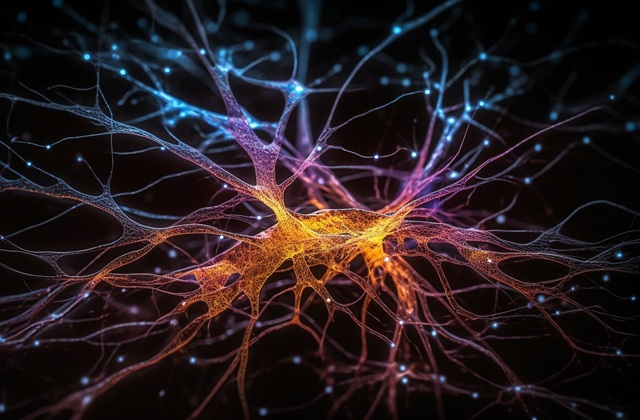
Scientists are exploring an innovative approach to treating brain disorders by replacing microglia, the immune cells that patrol and maintain the brain. Recent studies suggest that microglia replacement could one day help patients with rare genetic conditions as well as more common neurodegenerative diseases such as Alzheimer’s and Parkinson’s.
Microglia act as the brain’s custodians, clearing damaged cells, pruning unnecessary neural connections, and defending against infections. “Microglia do a lot of important things,” says Chris Bennett, a psychiatrist at the Children’s Hospital of Philadelphia. “So, it’s not surprising that they are involved in the pathogenesis of many diseases.”
The challenge lies in the cells’ biology. Unlike other immune cells replenished via bone-marrow transplants, microglia reside almost exclusively in the central nervous system and normally self-renew. Nevertheless, researchers have found ways to partially replace them, particularly for rare genetic disorders like X-linked adrenoleukodystrophy and CAMP (CSF1R-associated microgliopathy).
In a recent small trial, eight people with CAMP received microglia replacement through bone-marrow transplantation. Over two years, none experienced a decline in motor or cognitive function, while untreated individuals deteriorated. Similar success has been observed in mice models of Sandhoff disease, a neurodegenerative disorder, using both full bone-marrow transplants and targeted injections of lab-grown microglia.
However, the procedure remains risky. To create space for new microglia, physicians must eliminate existing cells, often using high doses of chemotherapy or radiation, which can increase the risk of infection and long-term complications. “This approach is very promising, but the caveat is the toxicity of the procedure,” says Pasqualina Colella, a gene and cell therapy researcher at Stanford University School of Medicine.
New strategies may reduce these risks. Researchers are testing targeted microglia depletion in the brain or drug-based approaches that require less aggressive treatments. In the future, microglia could even serve as “Trojan horses,” delivering therapeutic molecules across the brain’s protective barriers.
While initial trials focus on rare, severe disorders, scientists hope that safer microglia replacement could eventually benefit patients with more complex diseases like Alzheimer’s. “We start with the low-hanging fruit,” says Marco Prinz, a neuropathologist at the University of Freiburg. “The big promise in the future, I hope, will be more complex diseases.”
As highlighted by Nature, microglia replacement represents a new frontier in neurotherapeutics, combining cellular engineering with targeted immunology to tackle some of the most challenging brain disorders.