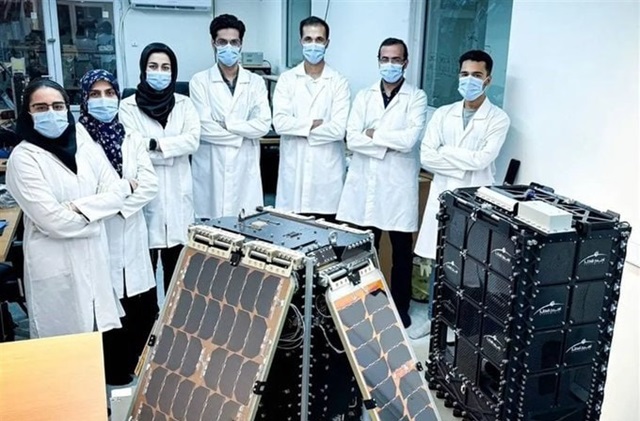
Iran is set to showcase its advancing space capabilities with the imminent simultaneous launch of three observation satellites: Zafar, Paya, and Kowsar 1.5, marking a major milestone in the country’s space program.
The planned multi-launch configuration highlights Iran’s increasing technical proficiency. Unlike single-payload missions, deploying multiple satellites in one launch requires sophisticated rocket deployment systems and precise orchestration, demonstrating a significant leap in reliability and engineering skill.
While the satellites are labeled as “observation” platforms, experts note the dual-use nature of the technology. Earth observation capabilities can support environmental monitoring, agriculture, and disaster response, but they are also directly applicable to reconnaissance and military intelligence gathering, enhancing surveillance and targeting potential.
The launch reflects Iran’s growing industrial consolidation in the space sector. Collaboration between government, academic institutions, and private companies underscores a national strategy aimed at accelerating innovation, creating a resilient domestic space ecosystem, and reducing reliance on foreign partners.
This being only Iran’s second-ever triple-satellite launch, the move is seen as a deliberate signal to the international community. It projects an image of technological advancement and resilience, emphasizing autonomy despite geopolitical pressures.
Analysts say the upcoming launch is more than a scientific or commercial endeavor. It represents a multifaceted power projection, combining tangible technical progress with strategic messaging and potential intelligence capabilities, signaling Iran’s growing stature as a space-capable nation.