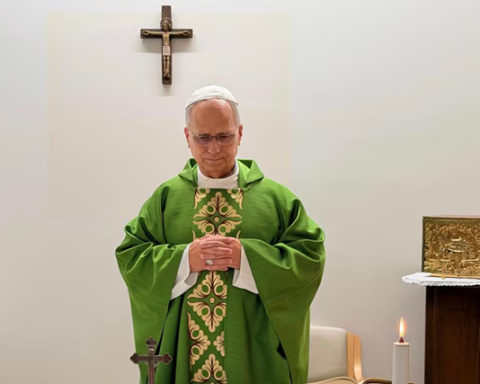
Pope Leo temporarily shifted his focus from global poverty to the shadowy world of intelligence on Friday, hosting an unusually high-profile audience for Italy’s top spies inside the Vatican. The rare gathering brought together senior figures from Aisi, Italy’s domestic intelligence service, its foreign counterpart Aise, oversight officials, and lawmakers from parliament’s intelligence committee.
“You have the grave responsibility of constantly monitoring the dangers that can affect the life of a nation,” Leo said, paying tribute to anonymous agents who “lost their lives on delicate missions.” The 70-year-old pontiff urged the assembled spy chiefs to avoid violating human rights and warned that sensitive intelligence must never be weaponized to “intimidate, manipulate, blackmail or discredit” public figures. He added that the Catholic Church itself had been targeted by such tactics in the past, and publicly thanked Italian intelligence for defending the Vatican.
Italian journalists noted concrete examples of that support. Gianluca Di Feo of La Repubblica said Italian agents intervened when Venezuela’s intelligence service attempted to smear Catholic bishops around 2005. Italian intelligence has also been credited with protecting Pope Francis from Isis threats and safeguarding him during a high-risk visit to the Central African Republic in 2015. British intelligence likewise warned the Vatican of a planned suicide bombing targeting Francis in Iraq in 2021, enabling local police to stop the attack.
Vatican watchers say the Holy See’s relationship with espionage stretches back centuries. The Church maintains its own discreet intelligence network, which relies on clergy around the world and remains active in conflict zones such as Gaza, Ukraine, and Nigeria. According to author Eric Frattini, the Vatican’s operatives have also monitored political shifts in countries like Spain, where the Church has clashed with Prime Minister Pedro Sánchez over property taxes.
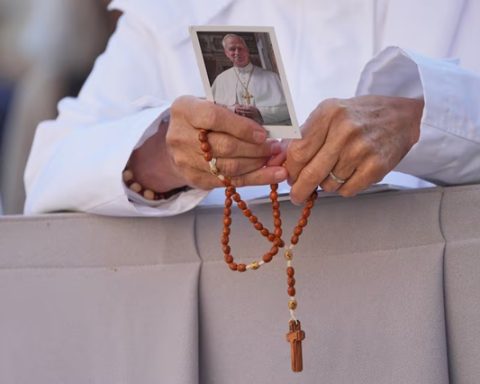
The Vatican’s intelligence lineage dates to 1566, when Pope Pius V dispatched agents to support Mary Queen of Scots and undermine Queen Elizabeth I. In 1913, Pope Pius X founded the Sodalitium Pianum to hunt spies within the Church. During the Second World War, American intelligence considered the Vatican an essential conduit for information from priests operating behind enemy lines. The Cold War saw the Russicum train priests in martial arts, marksmanship, and parachuting before smuggling them across the Iron Curtain, while Pope John Paul II covertly funneled money to Poland’s Solidarity movement, helping weaken communist rule.
Although some analysts believe the Vatican scaled back its clandestine efforts after the Cold War, Frattini argues the operation persists under more discreet titles such as “spiritual advisor” at Vatican embassies. He noted that the Vatican’s announcement of Friday’s audience made no mention of whether its own operatives were present — a silence consistent with centuries of papal secrecy.