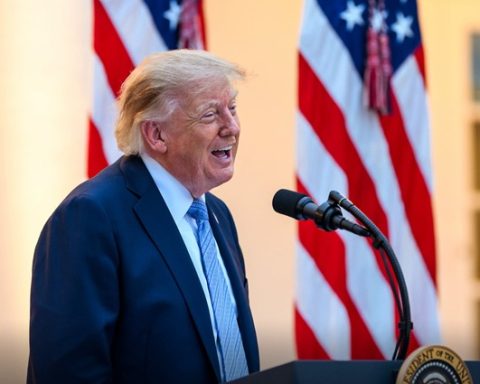
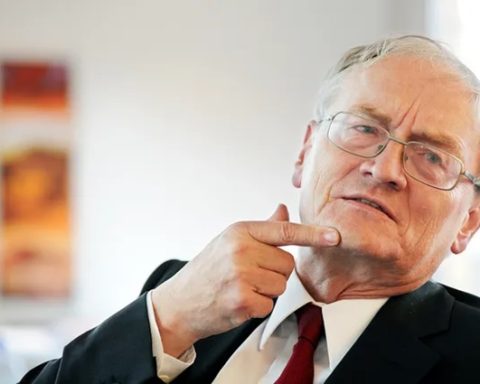
US President Donald Trump is making a high-stakes entry into the fusion energy sector through a reported $6 billion merger linking his social media company with Google-backed TAE Technologies. The move places Trump at the center of a growing global push toward fusion power, even as experts warn that the technology remains years, if not decades, away from commercial viability.
Fusion energy, the same process that powers the Sun, has long been viewed as a potential breakthrough capable of delivering vast amounts of clean energy. Unlike nuclear fission, fusion involves merging atomic nuclei rather than splitting them, theoretically producing far less radioactive waste. Private investment in fusion has surged in recent years, topping $10 billion globally, according to figures cited by the International Atomic Energy Agency.
TAE Technologies, one of the best-funded private fusion companies, claims its beam-driven Field-Reversed Configuration approach can overcome longstanding barriers to scalable fusion power. The company has reported progress in stabilizing plasma, a critical step, but it has not yet achieved “ignition,” the point at which a fusion reaction produces more energy than it consumes.
Trump’s interest in fusion appears closely tied to the soaring energy demands of artificial intelligence and cryptocurrency mining. US energy regulators warned earlier this year that data centers are expanding faster than the national power grid can support, threatening bottlenecks that could slow AI growth. While new nuclear power plants are often cited as a solution, industry timelines suggest they would take 15 to 20 years to become operational, pushing policymakers and investors to explore alternative options.
Fusion, however, remains more promise than reality. Even the most celebrated breakthrough to date, achieved by the US National Ignition Facility in 2022, required hundreds of megajoules of energy to generate just 3.15 megajoules in output. Scientists caution that translating laboratory milestones into commercially viable power plants is an enormous challenge.
The deal has also drawn attention due to its timing. Nuno Loureiro, a prominent fusion scientist at MIT, was killed just days before Trump’s fusion agreement was announced. Loureiro had recently spoken publicly about the strategic importance of fusion, arguing that nations or companies that master it first would gain a significant advantage. At the same time, he warned that whether fusion could realistically be commercialized by the early 2030s remained an open question. Authorities have said the killing involved a lone perpetrator who was later found dead, and no connection to the fusion deal has been established.
Critics argue that fusion power is unlikely to arrive quickly enough to solve the immediate energy crunch driven by AI and digital infrastructure. They describe Trump’s fusion push as a bold but risky bet, one that may fuel investor enthusiasm without delivering near-term relief. Supporters counter that early, aggressive investment is necessary if fusion is ever to move beyond the laboratory.
As competition intensifies across the energy sector, Trump’s fusion gamble reflects a broader trend of high-risk, high-reward bets aimed at sustaining the rapid growth of AI and emerging technologies. Whether the investment proves visionary or premature will depend on scientific breakthroughs that, for now, remain uncertain.