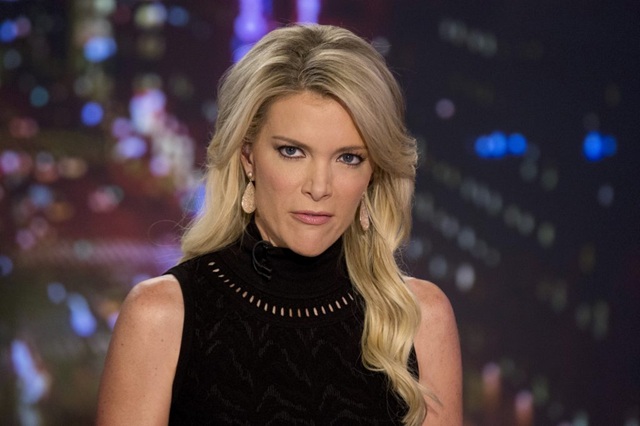
In a recent interview on Tucker Carlson’s show, journalist Megyn Kelly delivered a stark warning about the United States’ approach to foreign policy, emphasizing that the country cannot act as the world’s enforcer without facing consequences.
Kelly criticized the idea of threatening military action against nations such as Cuba, Colombia, Iran, or even Greenland, arguing that such posturing comes with predictable risks. “We’re not the policeman of the world,” she said. “And look, if that’s what we’re going to use the $1.5 trillion [Pentagon budget] for, that’s alarming, too, even if it’s not world war… that’s going to cause a host of unintended consequences.”
Her comments reflect growing concerns over U.S. military spending and international diplomacy, highlighting the tension between maintaining global influence and provoking instability. Kelly’s critique points to a broader debate over the role of American power in the 21st century, questioning whether aggressive foreign threats are an effective or responsible use of taxpayer dollars.
While not calling for direct military engagement, her remarks underscore a warning that even symbolic threats or show-of-force strategies can trigger backlash, complicate international relations, and strain the nation’s resources. Analysts say such perspectives are part of a wider conversation about whether the U.S. can—or should—maintain its status as a dominant global enforcer in an increasingly multipolar world.