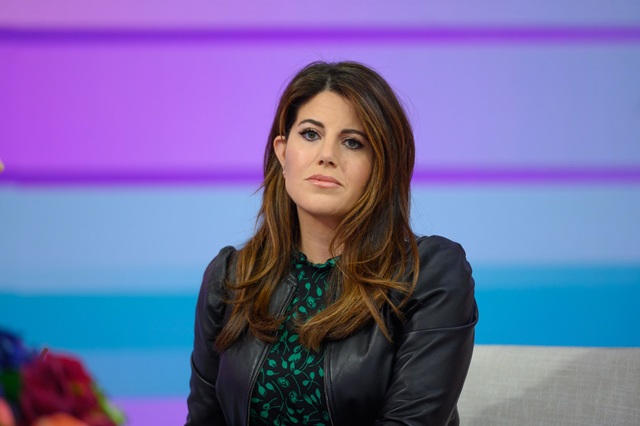
Monica Lewinsky, now 52, has spent nearly three decades redefining a life that was thrust into public scrutiny without her consent. As a 24-year-old White House intern in 1998, Lewinsky became a global figure overnight after her 18-month affair with President Bill Clinton was exposed. The former intern recalls feeling “hunted,” unable to leave her apartment without being photographed, and living in constant fear and humiliation.
In a recent interview with Times UK, Lewinsky reflected on the trauma that followed the scandal, including grand jury trials, the publication of the Starr Report, and Clinton’s impeachment. “The public humiliation was excruciating; life was almost unbearable,” she said, describing the personal toll on herself and her family. Her father contemplated suicide, and her mother suffered a nervous breakdown. Lewinsky herself considered ending her own life several times.
Despite the intense scrutiny she endured, Lewinsky emphasizes that the affair was consensual but acknowledges the inherent power imbalance: “This was a gross abuse of power. Full stop. That doesn’t mean I didn’t make mistakes, but at the heart of it, it was a gross abuse of power.” She also admits that she was in love with Clinton at the time, though she now understands the naivety of her younger self.
For years, the aftermath of “98,” as she refers to the scandal, hindered her ability to pursue a career. Attempts to work in fashion, advertising, and reality television failed, and she struggled to find employment in the wake of widespread slut-shaming. “The shame sticks to you like tar,” Lewinsky said. Even after earning a master’s degree in social psychology at the London School of Economics, she faced rejection and stigma that made ordinary professional tasks feel impossible.
The turning point came when Lewinsky chose to confront and integrate her past rather than escape it. She began advocating against bullying and public shaming, sharing her experiences in high-profile essays and a viral 2015 TED talk, The Price of Shame. She later expanded into media production, contributing to Ryan Murphy’s American Crime Story: Impeachment and founding her own company, Alt Ending, which produced The Twisted Tale of Amanda Knox for Disney+. Her podcast, Reclaiming, launched in 2025 and features conversations with figures such as Malala Yousafzai, Miley Cyrus, and Tarana Burke.
Lewinsky credits this work with helping her find purpose and healing. “To experience giving a purpose to my past, to experience other people finding solace in my sharing my experiences, has been one of the extraordinary gifts of my life,” she told Times UK. She emphasizes that while the past remains a part of her, she has managed to neutralize the shame and reclaim her identity.
The former intern is candid about her personal life as well, sharing that she froze her eggs and grapples with the complexities of love and motherhood in her fifties. Yet she expresses a sense of contentment and freedom that had long eluded her. “My fifties have been fantastic, and I wasn’t expecting that. There’s so much acceptance — just a tidal wave of, OK, this is how I am and how I’m going to be,” she said.
Lewinsky’s story highlights the enduring consequences of public shaming, especially for women, and underlines the evolving conversation about power, consent, and misogyny. While the scandal defined her early life, it no longer defines her today. Through advocacy, media, and personal reflection, Monica Lewinsky has not only reclaimed her narrative but has transformed it into a platform for empathy, resilience, and empowerment.