Corruption has eaten into the vitals of Sri Lanka’s power and energy sectors to such an extent that one wonders whether ‘C’ in the initialisms of the Ceylon Electricity Board (CEB) and the Ceylon Petroleum Corporation (CPC) stands for ‘Corrupt’. Pressure is mounting on the government to cancel a questionable coal tender which is causing staggering losses to the state.
We reported on the coal scam at issue about three months ago, turning the spotlight on the fraudulent procurement of substandard coal. Following our report, the Opposition and the anti-corruption outfits did their own investigations and unearthed more information about the questionable deal. It has been revealed that the government extended the closing date for bidding and changed the eligibility criteria for the bidders in favour of a company of its choice. The company that won the tender has a history of supplying low-quality goods to Sathosa, and its owner and local agent are reportedly under a cloud. A complaint has been lodged with the Commission to Investigate Allegations of Bribery or Corruption (CIABOC) against Minister of Energy Kumara Jayakody over alleged misappropriation of state funds when he was in the Fertiliser Corporation. It is against this backdrop that the coal scam in question should be viewed.
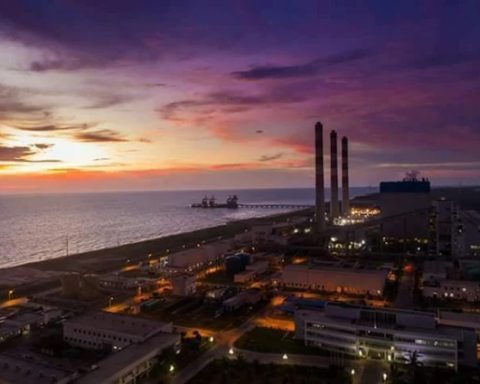
The Opposition took up the issue of substandard coal imports, in Parliament, last week, accusing the NPP government of trying to cover up the scam. SLPP MP D.V. Chanaka told the House that only 107 metric tonnes of coal were usually required per hour to generate 300 megawatts of electricity but now 120 metric tonnes of newly imported coal had to be burnt to produce the same amount of power. About 13 extra tonnes of coal are required per hour due to the scam, according to Chanaka, who also said tests conducted at the Lakvijaya Coal Power Plant had revealed that the calorific value of the first two newly imported coal shipments ranged from 5,600 and 5,800 kilocalories per kilogram (kcal/kg). But under the coal tender guidelines, the minimum required calorific value was 5,900 kcal/kg. Energy Minister Kumar Jayakody is reported to have said the Lakvijaya laboratory is not an accredited facility, and therefore its test results are not acceptable; action will be taken when the test report from an accredited laboratory is received.
Curiously, the government has questioned the integrity of tests conducted by a Sri Lankan laboratory that has tested coal shipments all these years to ascertain their quality. How come the NPP government has suddenly refused to accept the accuracy of the tests conducted by this lab? Is it trying to go on testing the substandard coal until it gets the result it wants so that it can continue to import low-quality coal and help its members line their pockets? In fact, there is no need for any laboratory testing to prove that there is something terribly wrong with the coal procured under the current dispensation; that is clearly borne out by the fact that it takes 120 tonnes of newly imported coal to produce a particular amount of electricity previously generated with only 107 tonnes of standard of coal.
The NPP government seems to have taken a leaf out of the book of the previous administration, which became a metaphor for corruption. It too resorts to dilatory tactics and obfuscation to cover up scams. It has succeeded in diverting the public’s attention from the Ondansetron scam by claiming that more tests need to be conducted; the Opposition, the media, and civil society organisations have forgotten that pharmaceutical racket for all intents and purposes. It is using the same modus operandi in the case of the coal scam. Anti-corruption campaigners must remain intensely focused on all questionable deals and monitor the progress in investigations into them. It was their vigilance and relentless campaigning that led to the arrest and prosecution of Minister Keheliya Rambukwella and some panjandrums over the procurement of a fake cancer drug.
Given the sheer number of corrupt deals and shameful attempts to cover them up, under the incumbent government, which came to power, vowing to eliminate corruption and usher in good governance, one may say, with apologies to Immanuel Kant, out of such crooked wood as that which politicians and officials are made of, nothing straight can be fashioned.