NATO Secretary-General Mark Rutte has emerged as the most effective and controversial “Trump whisperer,” using charm, flattery, and strategic diplomacy to keep President Donald Trump engaged with the alliance, The Times UK reports. Rutte, once known at home as “Teflon Mark” for his ability to avoid political damage as Dutch prime minister, has earned praise and criticism for securing rare concessions from Trump, most notably during the Davos summit where the U.S. president was widely expected to threaten NATO’s cohesion.
According to The Times UK, Rutte’s intervention in Davos helped prevent Trump from further destabilising the alliance with plans that included dismantling NATO, annexing Greenland, and escalating tariff disputes with Europe. Instead, the summit concluded with NATO largely intact and Trump’s public feud with European allies softened, even as unresolved disagreements remained. Rutte’s strategy, described by some observers as “tactical seduction,” relied on effusive praise and personal rapport, a method that has drawn sharp criticism from those who view it as undue obsequiousness.
The controversy intensified when Trump publicly shared a private text message from Rutte, in which the NATO chief addressed the president warmly and pledged to defend him at Davos. Rutte has defended his approach, arguing that his efforts were aimed at protecting the alliance rather than flattering Trump for its own sake. He has acknowledged that his style may be a matter of taste, but insists it was effective in keeping the United States aligned with NATO’s core interests.
European critics have been less forgiving. Former NATO Secretary-General Anders Fogh Rasmussen told The Times UK that Trump only respects strength, unity, and resolve, and warned that flattery is no longer an appropriate strategy. Rutte’s critics point to his public praise of Trump as “daddy” for his Middle East policy and bombing of Iran as evidence of a diplomacy that undermines European dignity and undermines a more principled stance against the U.S. president’s unpredictability.
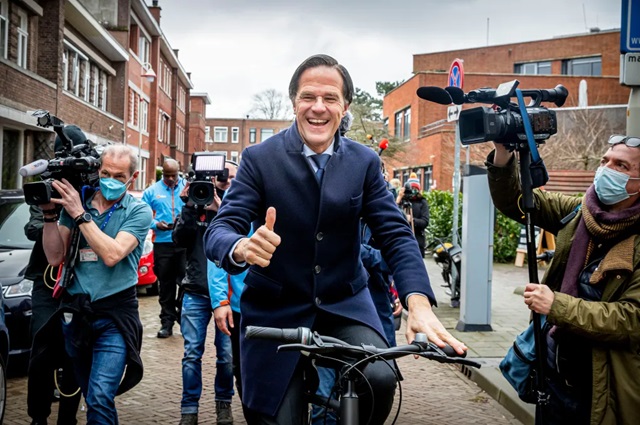
The Times UK also highlights the stark contrast between Rutte’s private, disciplined lifestyle and Trump’s flamboyant persona. Rutte is described as a frugal, deeply private figure who cycles to work, prays nightly, and has driven the same car for decades, while Trump’s world is defined by luxury and spectacle. Yet both share a remarkable talent for political survival, a trait that helped Rutte return to power after political scandals and ultimately helped secure his appointment as NATO secretary-general in 2024.
Ultimately, The Times UK argues, the “Trump whisperer” label may overstate Rutte’s influence, as the outcome in Davos reflected hard geopolitical realities as much as personal persuasion. NATO’s continued importance to U.S. military strategy, including reliance on European bases and Arctic security cooperation, meant that dismantling the alliance would have been costly for Washington. Still, Rutte’s ability to maintain dialogue and temper Trump’s most extreme impulses has helped preserve NATO at a moment when the alliance could have fractured, cementing his reputation as the most successful European diplomat in the Trump era.