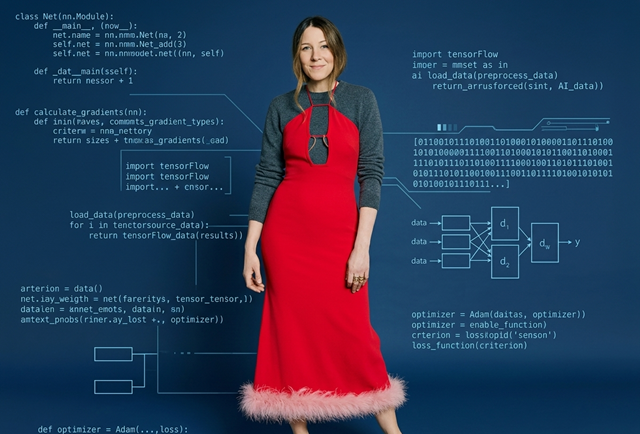
A new artificial intelligence-powered fashion tool from Google is drawing attention for its ability to let users virtually try on clothing, offering a glimpse into the future of online retail. The feature, launched this week and highlighted by The Times, allows shoppers to upload a full-body image and see how different outfits would look on their own figure without stepping into a store.
The tool works through Google’s shopping platform, where users can select garments and activate a “Try it on” function. The AI then maps the clothing onto the user’s body, adjusting for fit, fabric movement, and styling details. From everyday items like cardigans to high-end fashion pieces, the system creates a realistic simulation that aims to bridge the gap between online browsing and real-world appearance.
According to data cited by Google, nearly half of UK consumers would be more likely to purchase clothing if they could try it virtually beforehand, while a similar proportion said it would reduce the likelihood of returns. With as much as 40 percent of online clothing purchases being sent back—many ultimately discarded—such technology could have significant environmental and economic implications.
However, the experience is not without its quirks. The The Times fashion editor who tested the tool described it as both entertaining and slightly surreal, producing stylized and sometimes unrealistic outfit combinations. While the AI can convincingly replicate how garments drape or fit, it also takes creative liberties, occasionally pairing items in ways users might not choose in real life.
Fashion experts suggest the tool could serve as both a practical aid and a creative playground. Nana Acheampong noted that while it helps address the common disconnect between how clothes appear online and in reality, it may also encourage more experimental—and potentially impractical—shopping habits.
The rise of such virtual fitting technologies highlights a broader shift in retail, where digital experiences are increasingly shaping consumer decisions. While the innovation promises convenience and reduced waste, it also raises questions about authenticity, self-image, and whether shoppers might be tempted to buy clothes that exist more for fantasy than everyday life.